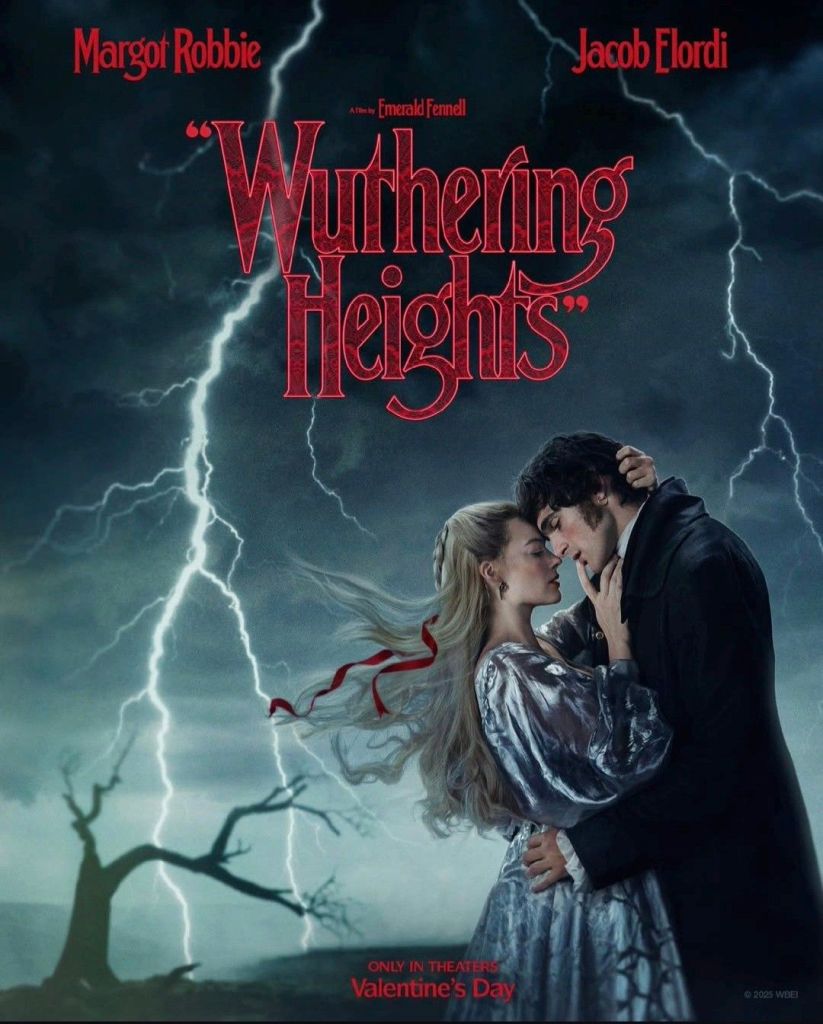
There is something quietly haunting about the moors of Wuthering Heights. A stillness that feels filled with memory, sorrow, and a love that refuses to fade. Walking into the 2026 adaptation, I carried with me years of attachment to this story, from discovering it in my high school library to watching the earlier film versions that shaped my understanding of Heathcliff and Catherine.
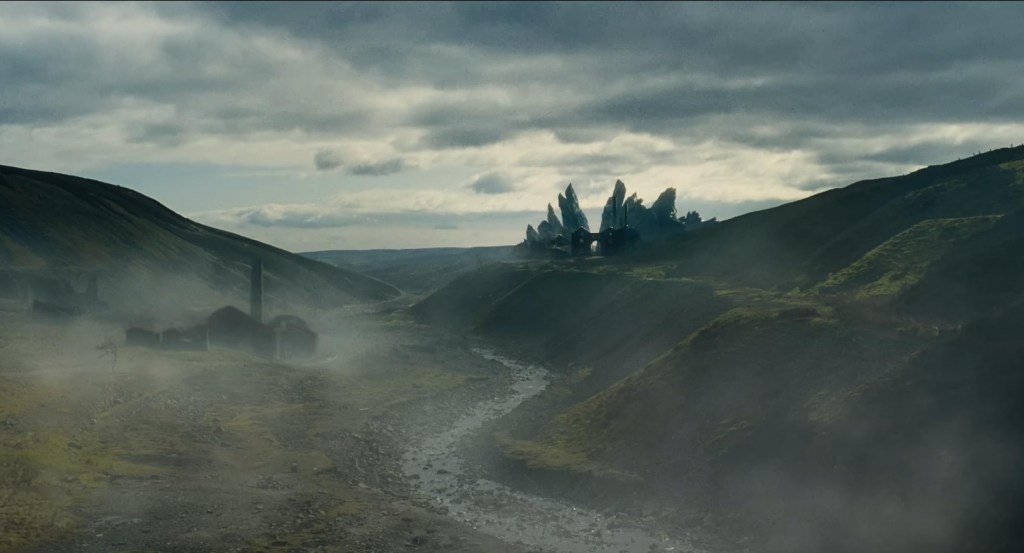
This new interpretation does not attempt to mirror the original novel or the earlier cinematic portrayals. Instead, it offers a creative and deeply emotional reimagining that asks the audience to watch with an open mind. For me, it felt almost like meeting familiar souls in a different lifetime. Recognizable, yet transformed.
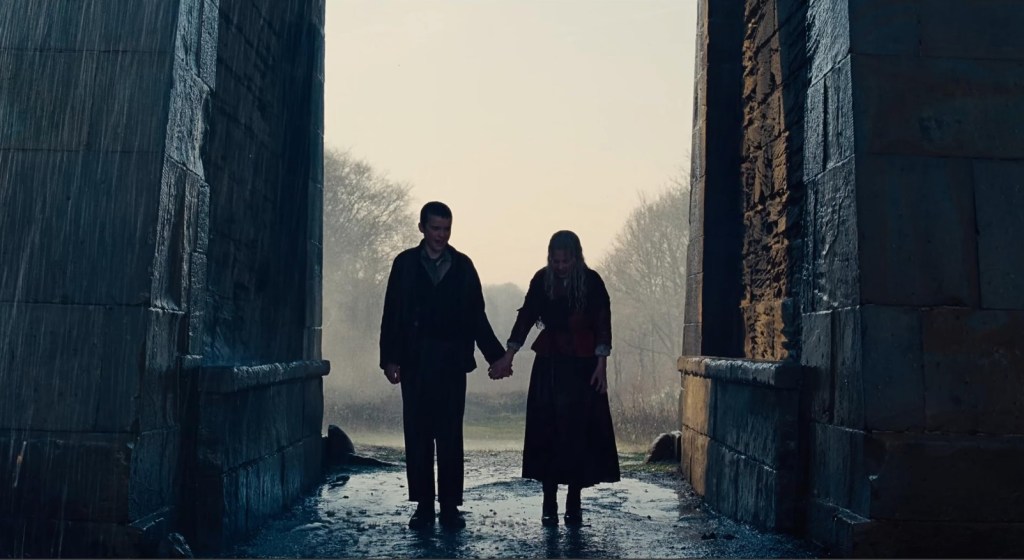
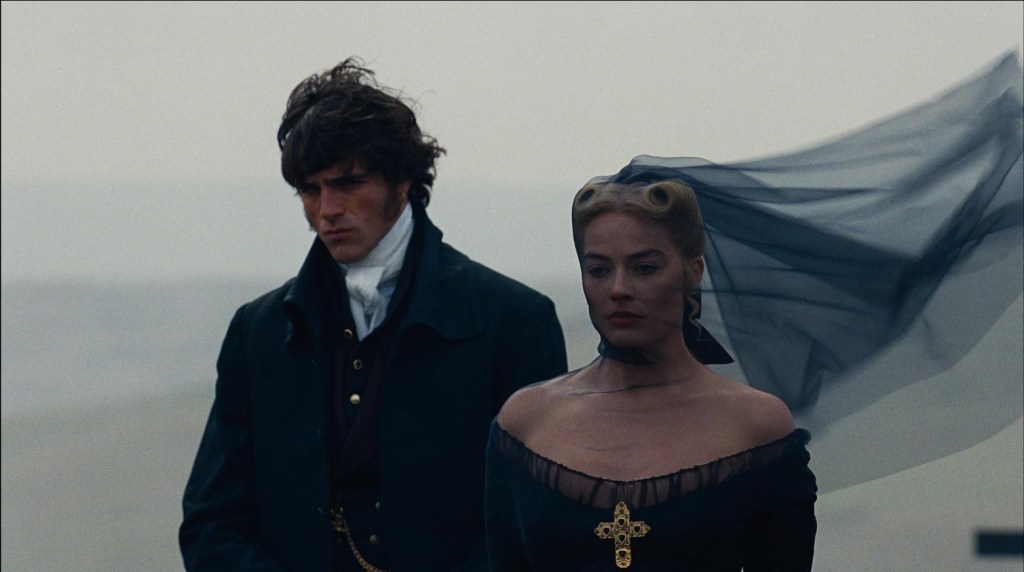
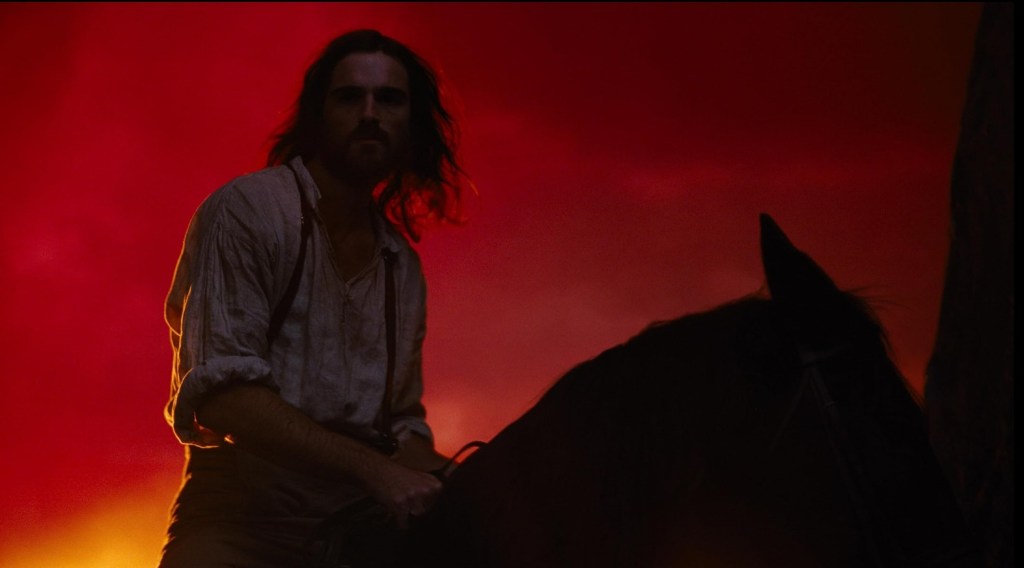
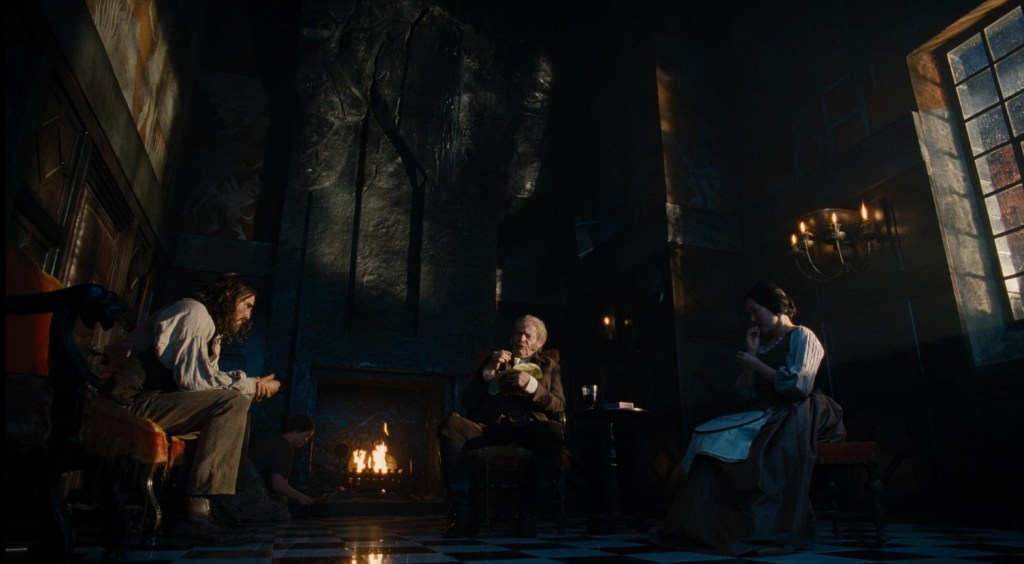
One of the most striking elements of this film is the way it reframes the emotional core of the story. Where earlier readings often highlight toxicity and red flags, this version leans into circumstance, misunderstanding, and inherited pain. Catherine’s marriage to Edgar feels less like betrayal and more like the tragic result of pressure and confusion. Heathcliff’s departure becomes an act born from wounded perception rather than pride alone. Even the father’s role emerges as a quiet source of suffering that shapes both their destinies.
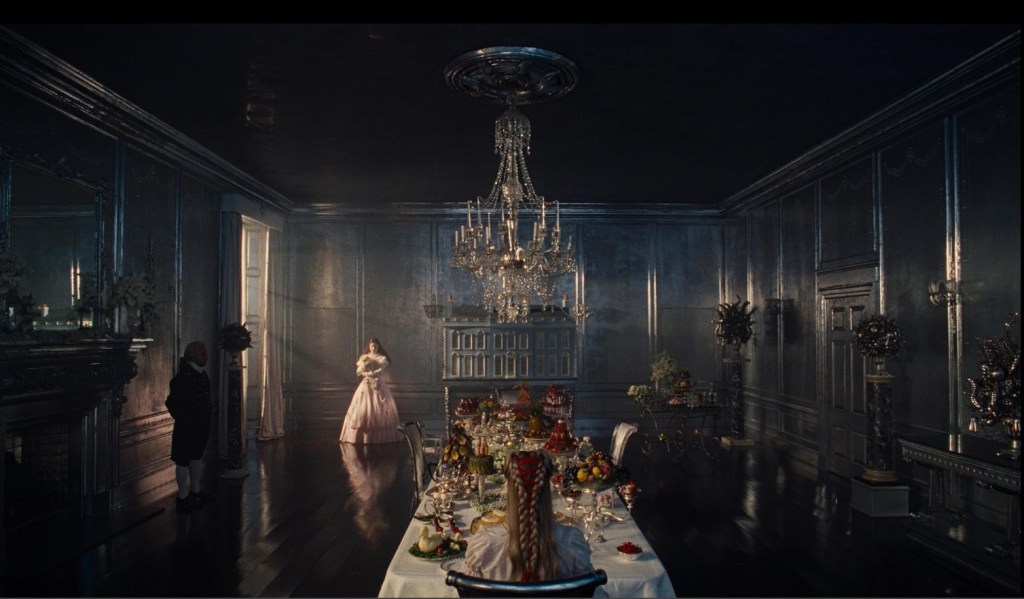
Visually, the film is rich without feeling excessive. The grandeur of the sets, the textured costumes, and the sweeping landscapes of the moors create an atmosphere that is both intimate and vast. Every frame feels intentional, allowing emotion to breathe inside silence.
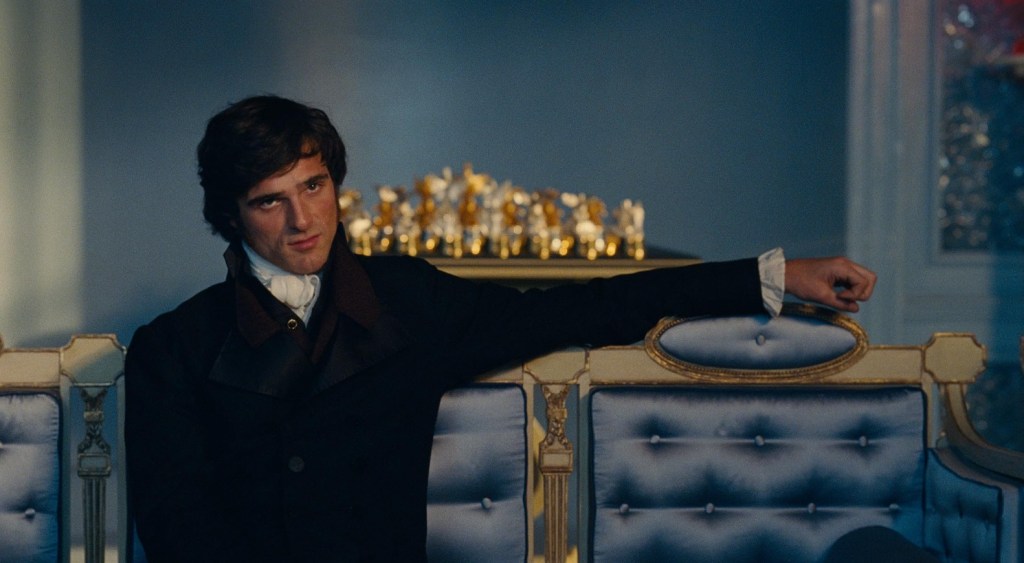
Jacob’s portrayal of Heathcliff carries a compelling darkness, gothic in mood yet softened by an unexpected purity of soul. His performance holds intensity without losing vulnerability, making the character feel less like a symbol of revenge and more like a man shaped by longing. Margot’s Catherine, on the other hand, is interpreted with emotional transparency. We are invited to understand her conflicts rather than judge them, to feel her pull toward two worlds that cannot exist together. Together, they do not simply appear as lovers, but as two halves of the same restless spirit.
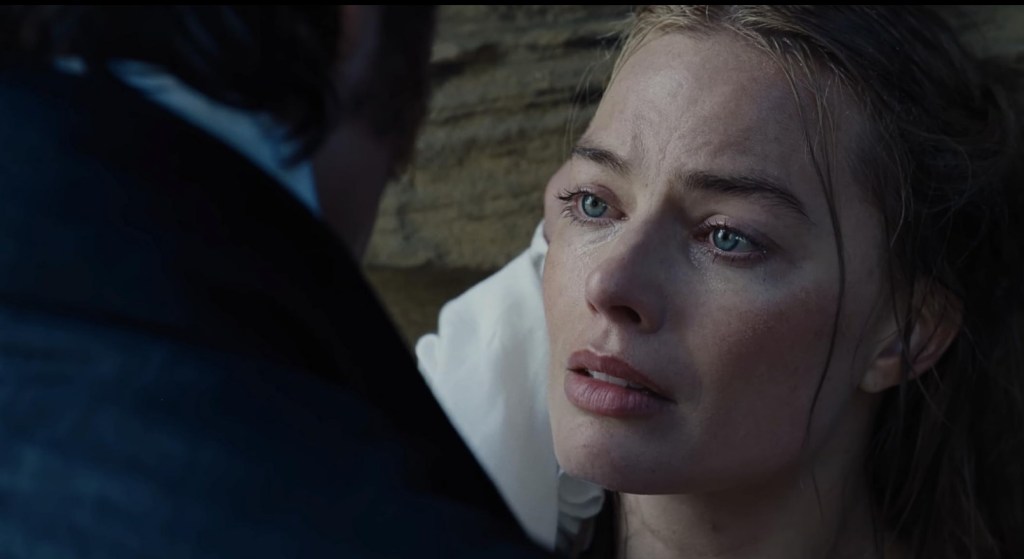
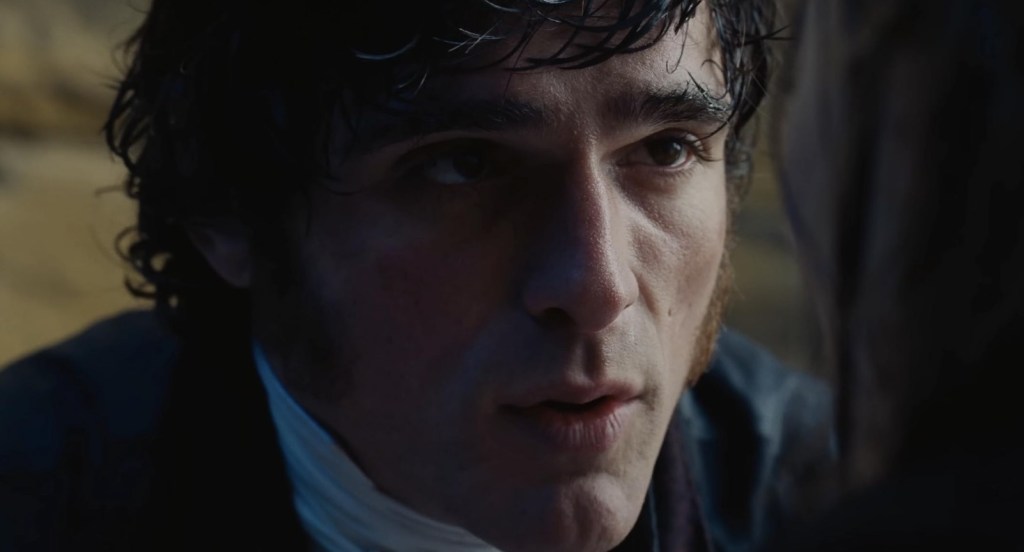
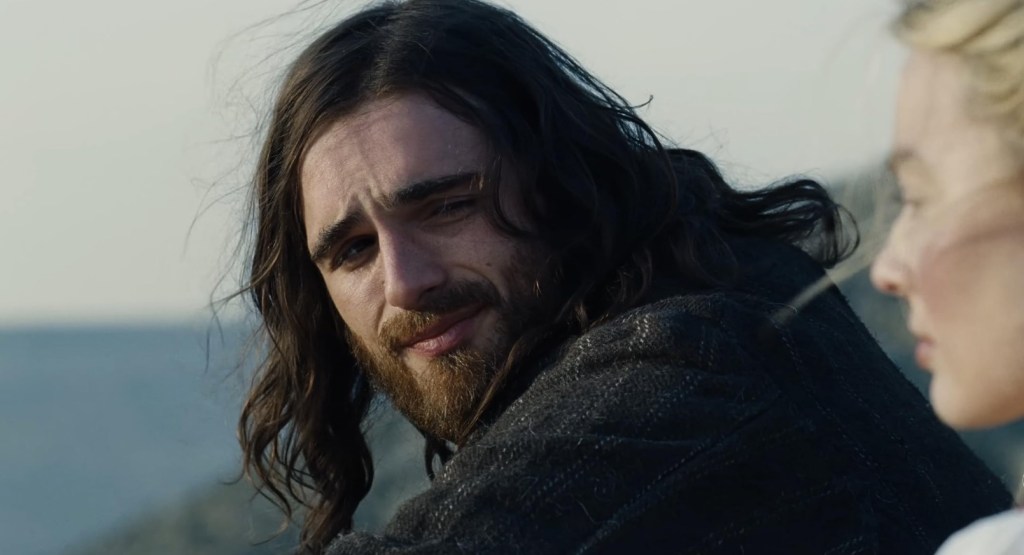
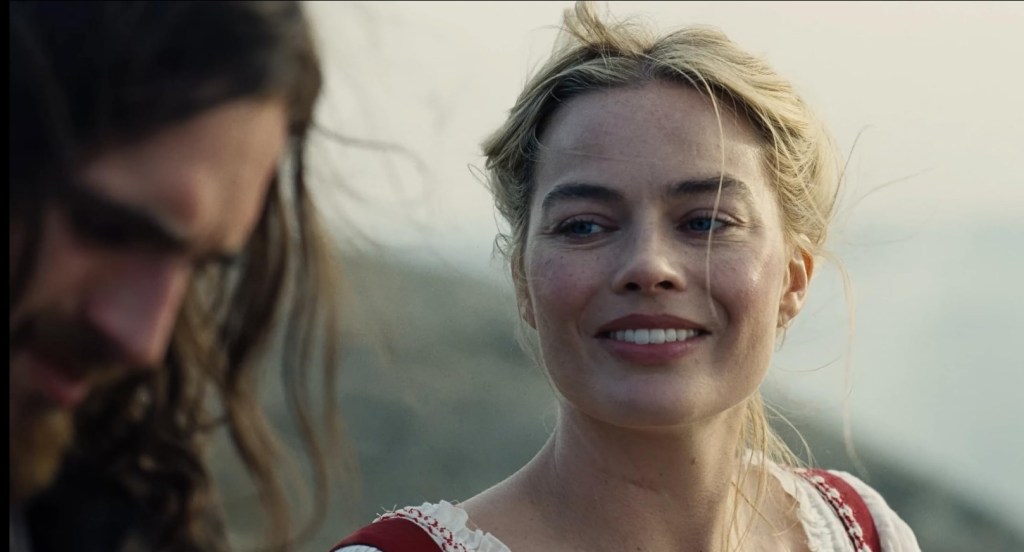
Even without relying on explicit imagery, the film creates a powerful sense of sensual tension. It moves through suggestion, symbolism, and emotional closeness, allowing the audience to feel the yearning that the characters themselves cannot fully express. The result is a quiet, lingering intensity that stays long after the scene has passed. Moments of touch, distance, and unspoken desire are woven with poetic restraint, making the passion feel deeply emotional rather than physical.
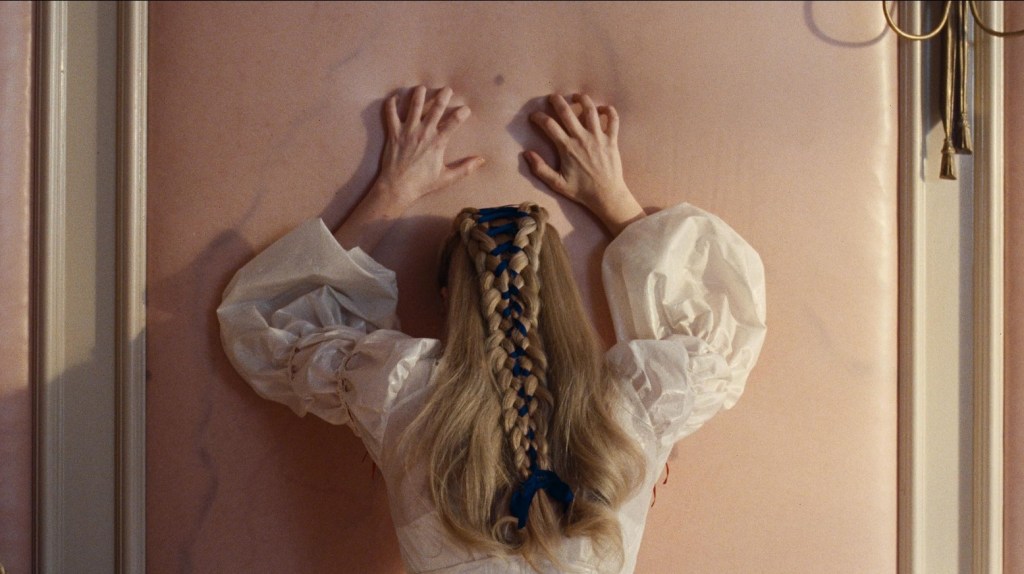
It is important to note that this adaptation stands apart from both the novel and earlier films. Comparing them directly would almost feel unfair, because this version chooses a different emotional language. Viewers do not need prior knowledge of the story to experience it. All that is required is openness to a new interpretation of a timeless love.
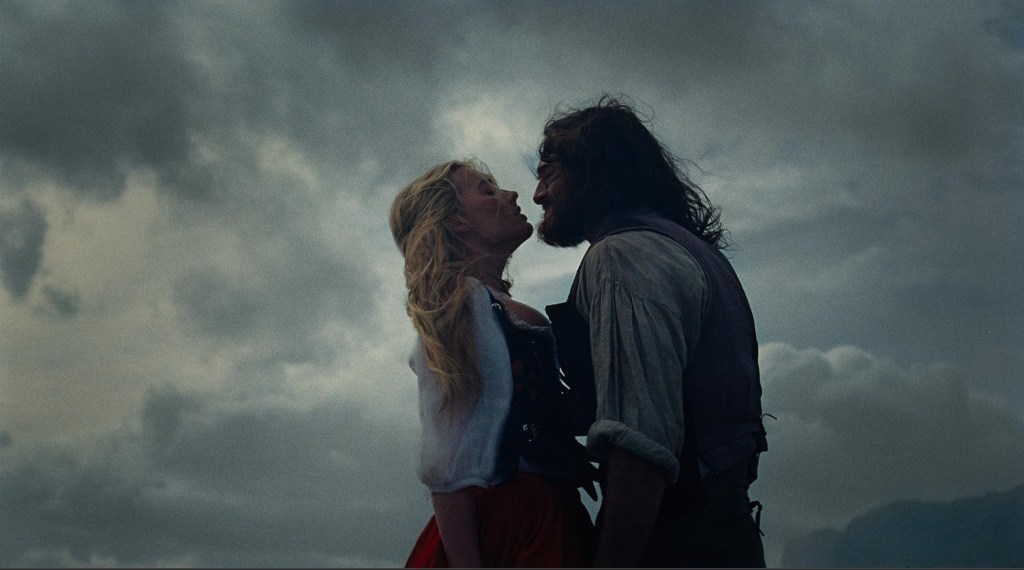
This film is intended for mature audiences (18+) and is not suitable for younger viewers, something parents should be aware of before watching.
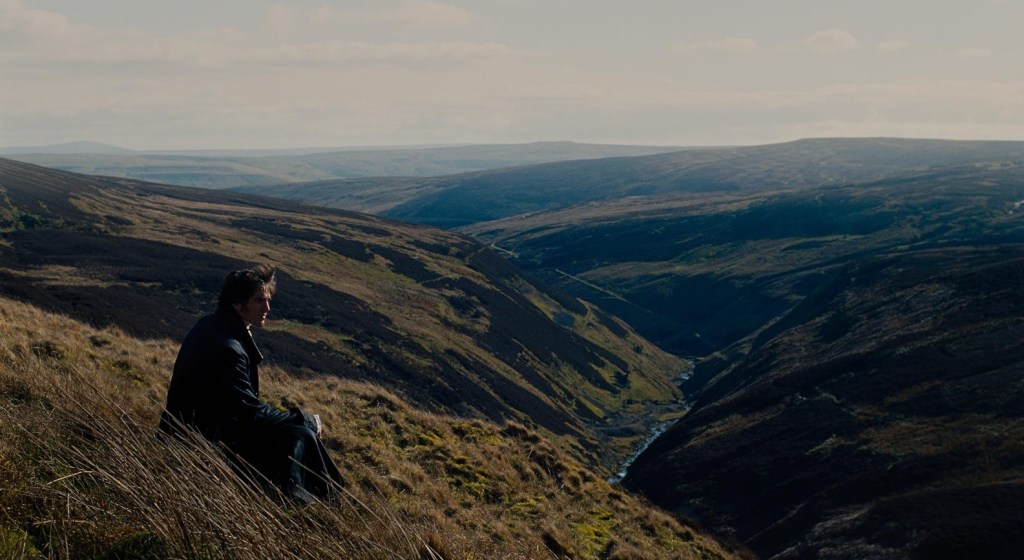
As the story settles into silence, what remains is not tragedy alone, but the echo of a love that refuses to disappear with time or distance.
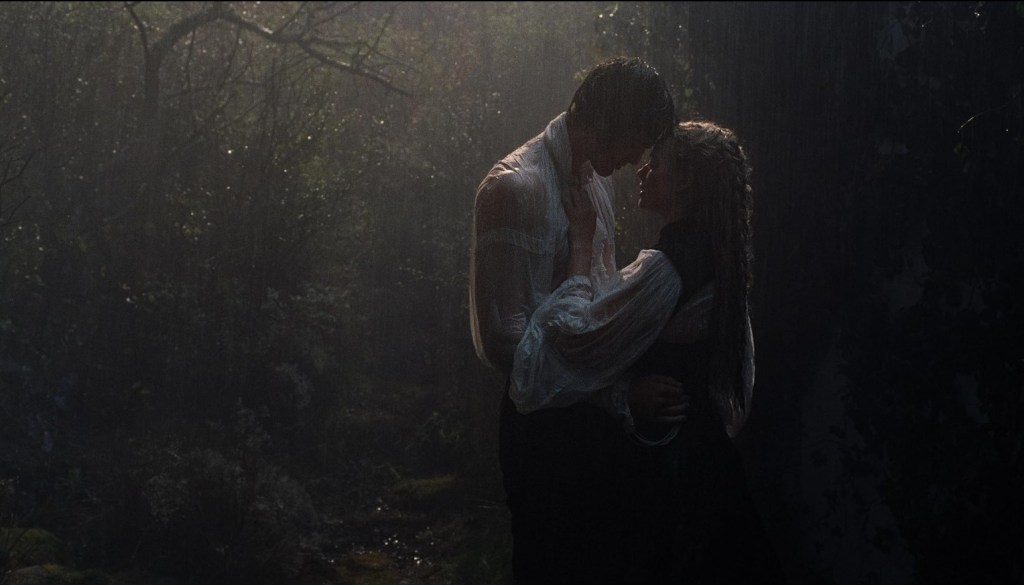
And perhaps that is the true spirit of Wuthering Heights, a reminder whispered across wind and memory:
“Whatever our souls are made of, his and mine are the same.”
 lifestylewithsarah.com