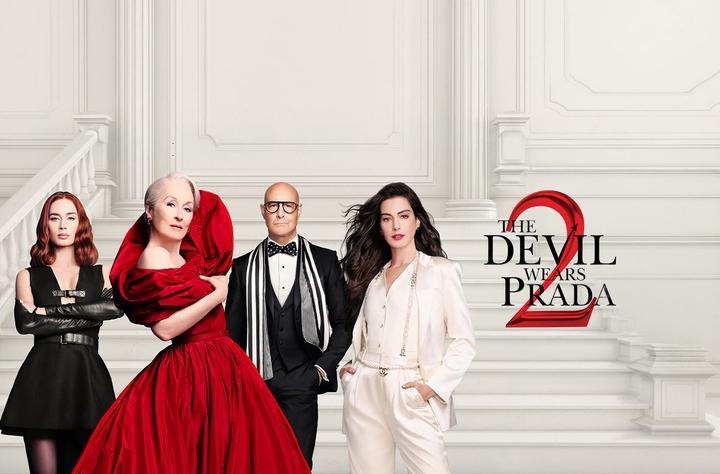
Based on Lauren Weisberger’s 2003 novel, the 2006 film The Devil Wears Prada dropped fashion right into the centre of mainstream cinema and made it feel electric, desirable, and terrifyingly glamorous all at once. Suddenly, the idea of working at a fashion magazine was not just a niche dream. It was every girl’s dream. The Runway editorial team, with its impossible standards, its frenetic pace, its razor-sharp wardrobes, and its perfectly curated chaos, made us all wish we could be standing in that lobby, holding that Book, waiting for Miranda Priestly’s white hair to appear at the top of the staircase. But what made The Devil Wears Prada truly revolutionary was not just the fashion. It was what it said about women.
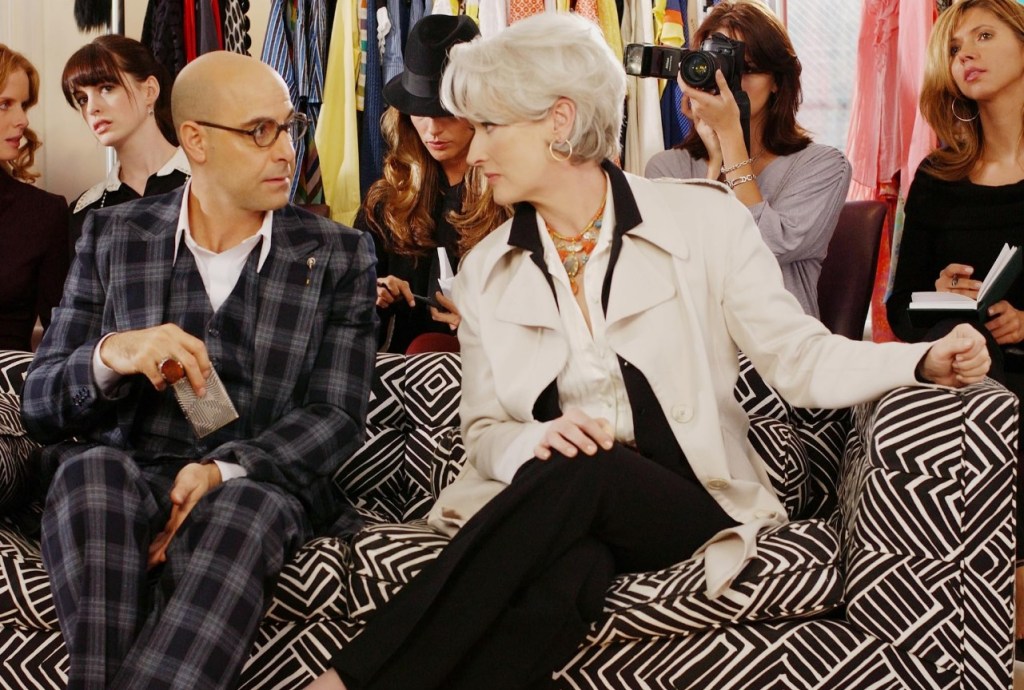
Miranda Priestly, played with terrifying perfection by Meryl Streep, was the Editor-in-Chief of Runway, a woman who had reached the absolute summit of her industry and paid an enormous personal price to stay there. She was cold, demanding, often difficult, but here is what struck me then and still strikes me now: she was also brilliant. She understood fashion not as vanity but as art, as culture, as power. And in a world that rarely handed women that kind of authority, she had built something no one could take from her. The complexity of her character, a woman both admired and feared, a leader whose armour left little room for warmth, was something women understood on a level that went far beyond the screen.
Then there was Andy Sachs. A journalist who never wanted to be in fashion, who fell into it almost by accident, and who had to learn the oldest lesson in the book: that ambition always asks you to choose. Her story of balancing a career that consumed everything with a personal life that deserved better was not fiction for most of us. It was a mirror.
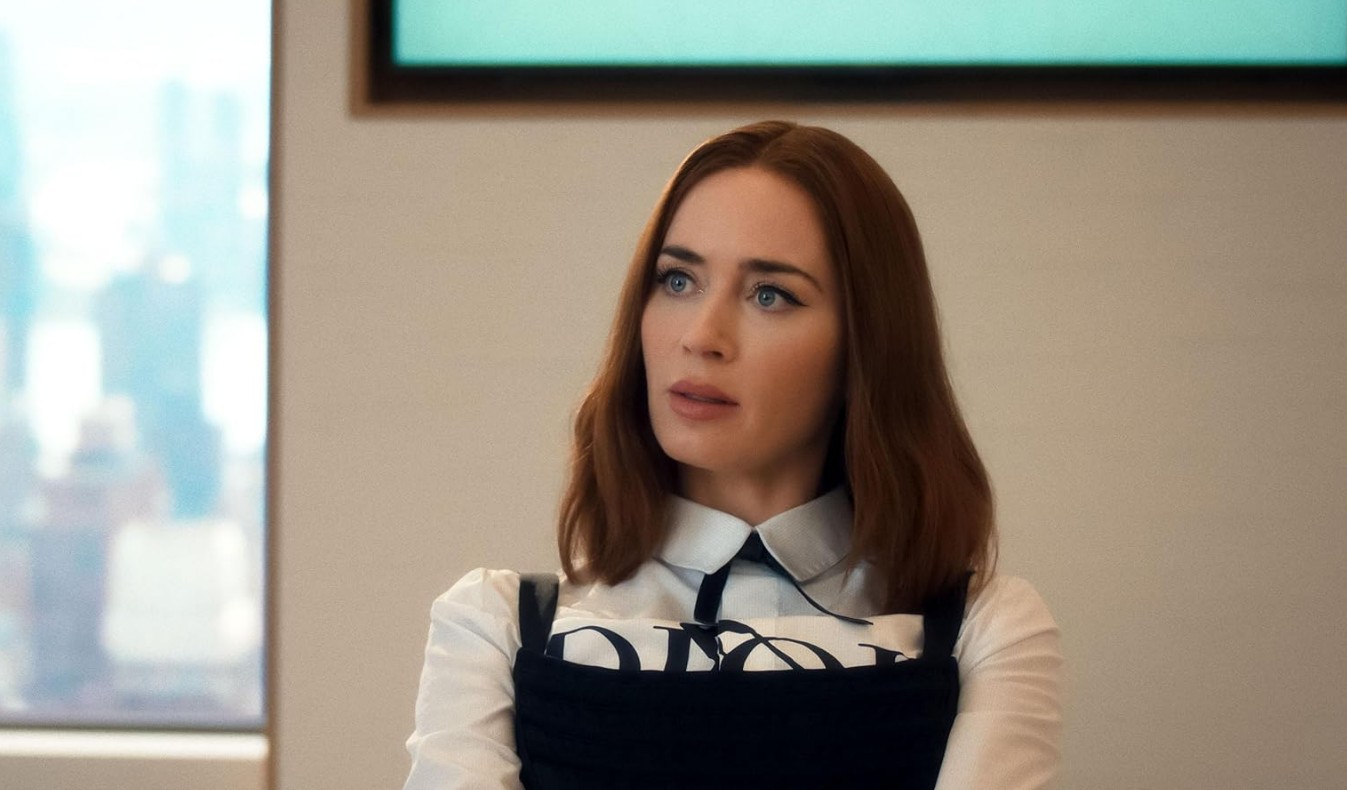
And Emily. Oh, Emily. Played with desperate, brittle brilliance by Emily Blunt, she was the girl who wanted nothing more than to attend Paris Fashion Week, who had sacrificed sleep, food, relationships, and her own peace of mind for a front row seat that kept getting moved further away. Beneath every sharp comment and every withering look was a woman who was simply trying to survive the jungle of fashion on her own terms. We understood her. Even when we should not have.
The Devil Wears Prada was fashion-forward, revolutionary, and deeply honest about what it costs to be a woman trying to thrive in a world that was not always designed with her in mind.
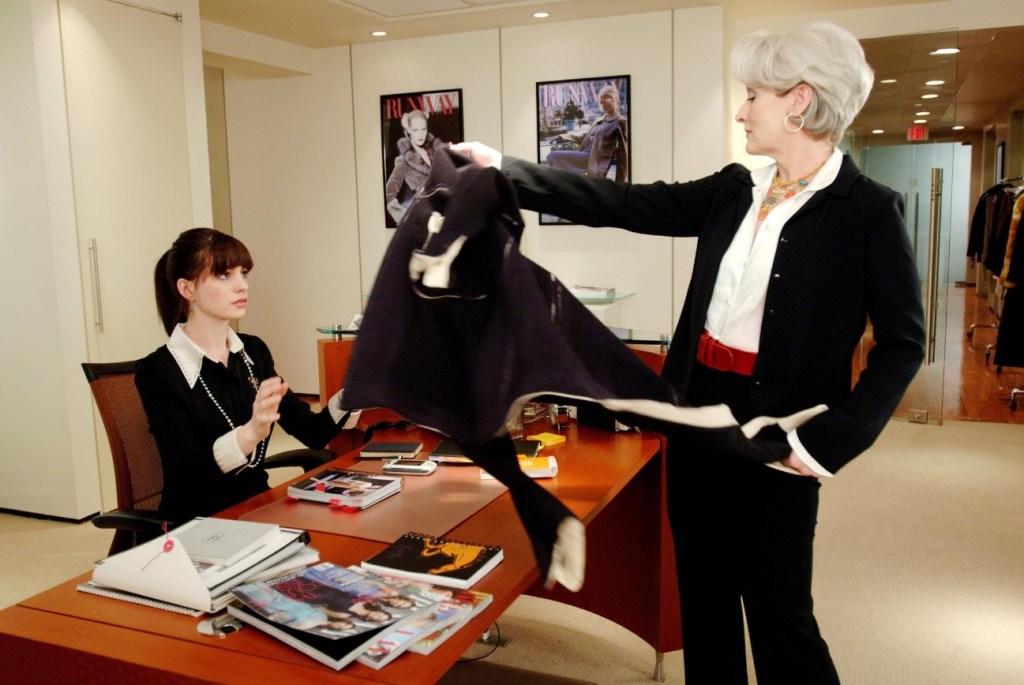
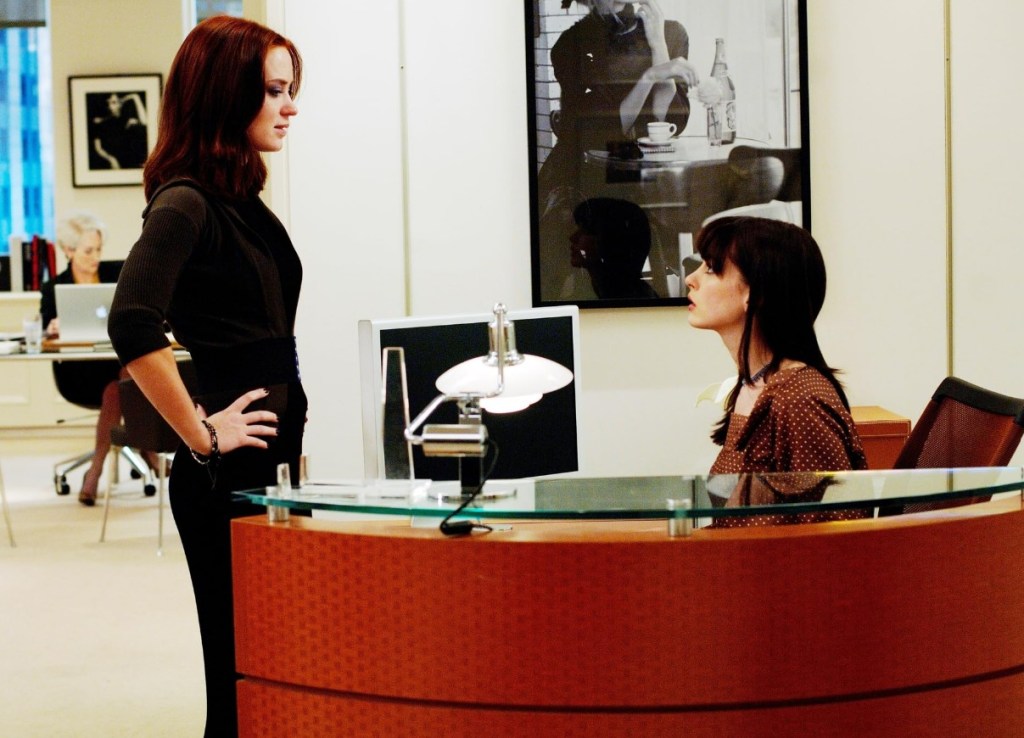
Did we need a Devil Wears Prada movie after 20 years? The answer is yes. We needed it. And it delivered. The Devil Wears Prada 2, directed by David Frankel and written by Aline Brosh McKenna, both of whom helmed the original, picks up in a world that feels very different from the one we left. Runway is fighting for its survival in the age of digital media, declining print readership, and ruthless corporate restructuring.
The story tackles modern challenges that feel ripped straight from today’s headlines: executive downsizing, the pressure of staying relevant, and what happens when a new generation decides that tradition is a liability. These are not imagined struggles. They are real, and the film handles them with honesty.
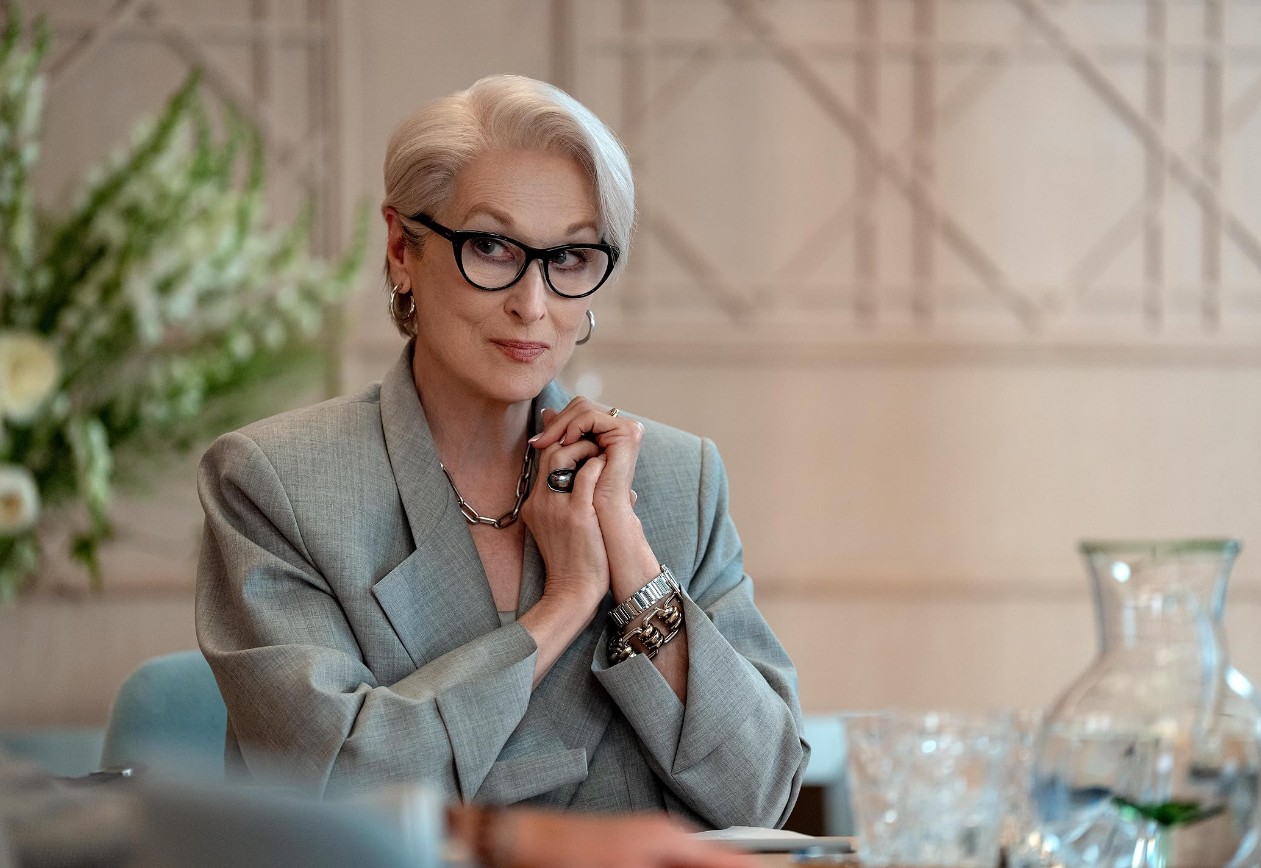
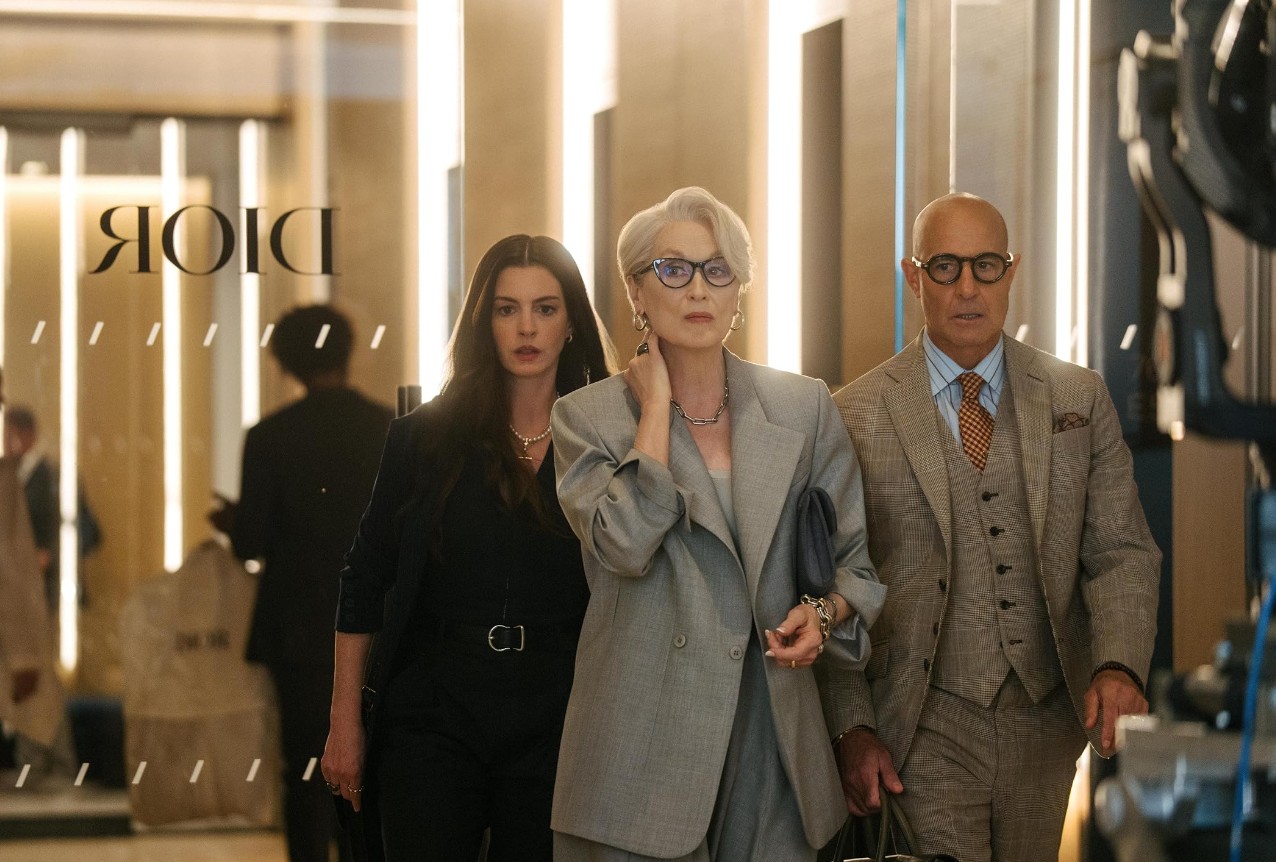
It was not friendship. It was not mentorship in the traditional sense. It was something more complicated and more true: two women who recognised something in each other across a vast difference in power, and who were both changed by it. Seeing that bond still intact twenty years later, still carrying its complexity, its unspoken respect, and its shared history, was unexpectedly moving.
There is a particular kind of girl power that does not announce itself. It does not give speeches. It just shows up, again and again, in the moments that count. That is what the Miranda and Andy dynamic gave us in this film, and it was everything. Emily’s arc is equally compelling. Watching her navigate her own reinvention in an industry that has shifted beneath her feet was a thread I could not look away from. And Nigel, played as always by the irreplaceable Stanley Tucci, remains the emotional compass of the entire story
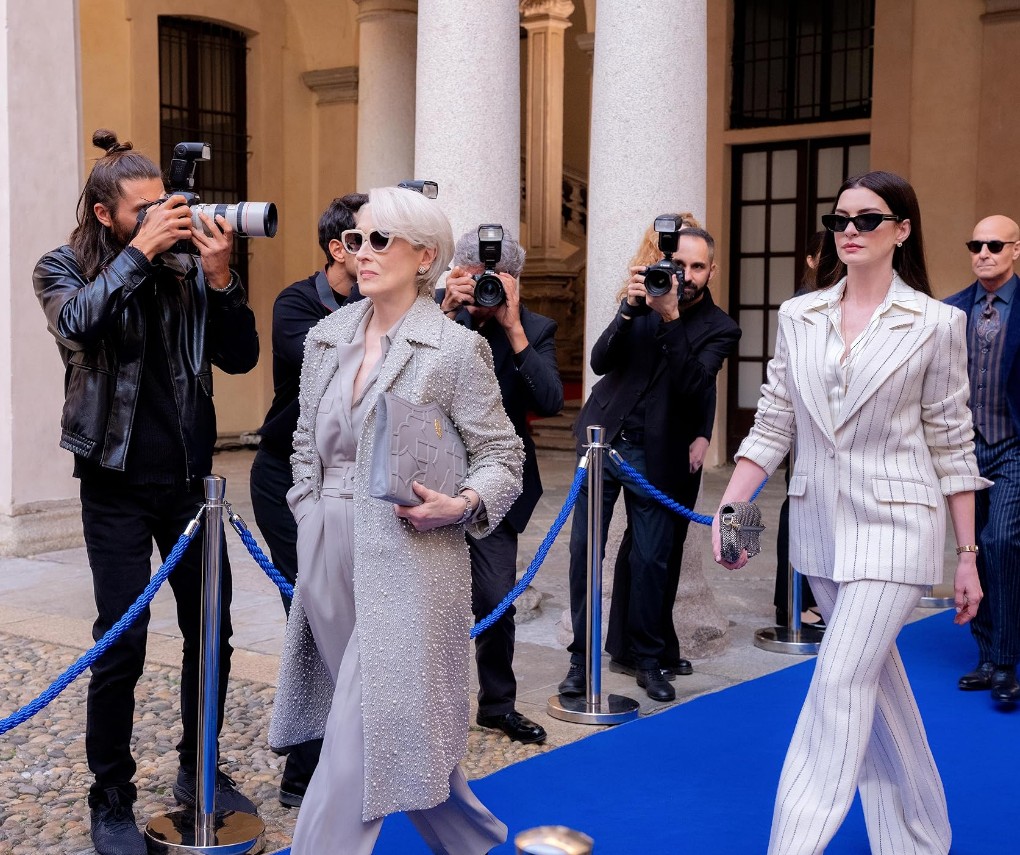
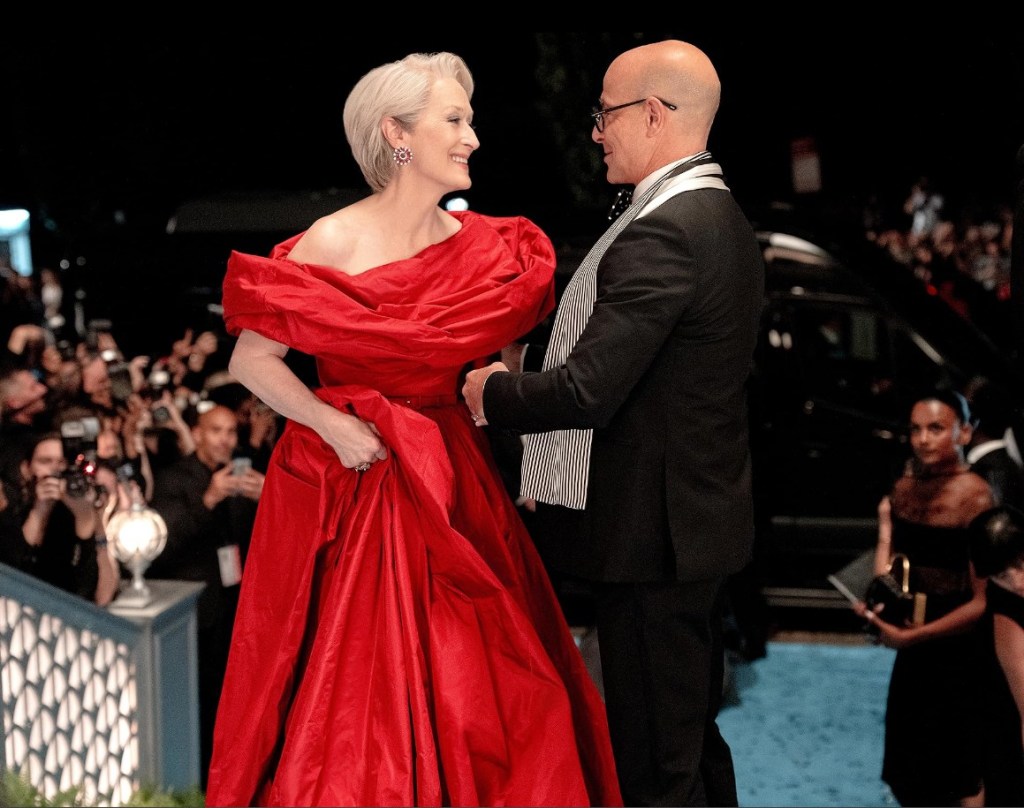
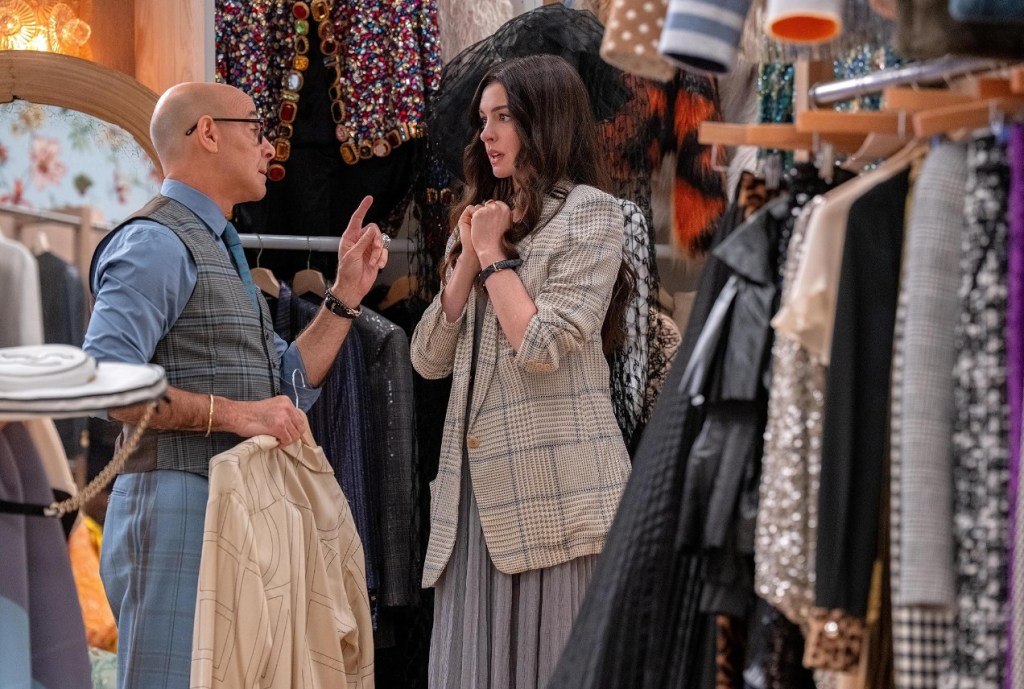
The fashion is stunning, the cameos are a full festival for anyone in this space, and the Milan Fashion Week sequences alone are worth the cinema ticket. I will be doing a dedicated post on the fashion details very soon, so stay tuned for that. But beyond the glamour, what stayed with me is how real this film felt. It is a story about women navigating power, reinvention, loyalty, and legacy in an industry that is changing faster than anyone can keep up with. It is timely, emotionally resonant, and it honours its characters without freezing them in time.
The Devil Wears Prada 2 is not a perfect film. But it is a deeply satisfying one, particularly for those of us who grew up with the original and who still believe in the power of fashion as art, as culture, and as identity.
As someone who lives and breathes both fashion and film, this was a movie I had been looking forward to reviewing for a long time. And it did not disappoint. If you love fashion, if you love cinema, or if you are simply a woman who has ever had to fight for her place in a room, this one is for you.
Go watch it. Dress for the occasion. And stay for every single cameo.

