
Hoppers begins as a lively, imaginative adventure, but what stays with you long after is its deeper emotional rhythm. Beneath the humour and the shifting worlds, there is a quiet respect for nature itself, not just as a setting, but as a living system that breathes, reacts, and holds its own balance.
At the heart of the story is the protagonist, a young girl whose connection to animals and the natural world is not accidental. It feels as though it has been inherited, deeply shaped by her grandmother’s influence. Her grandmother represents a softer way of living, one that notices small things, listens more than it speaks, and treats animals and nature with quiet reverence rather than control.
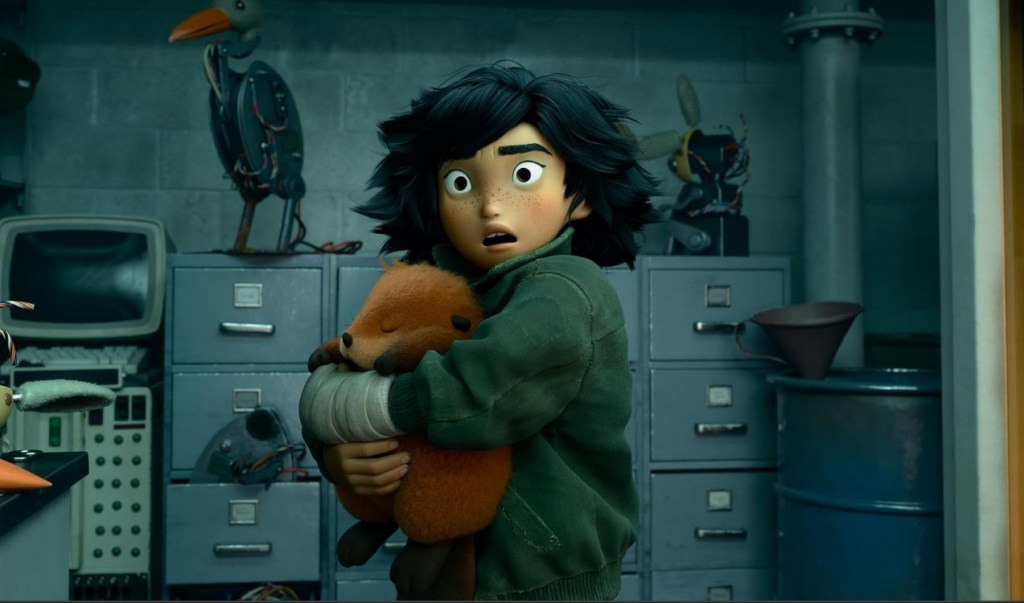
Through that relationship, the protagonist grows up seeing the animal world not as something separate from her, but as something she belongs to. This is what makes her journey feel so emotionally grounded. When she later enters the animal world through the film’s central concept, it does not feel like a foreign exploration alone. It feels like a continuation of a bond she already carried within her.
The animal world in Hoppers is not just decorative or fantastical. It is structured like a living ecosystem with its own balance, hierarchies, instincts, and fragile harmony. Every species has its place. Every movement has consequences. The film subtly highlights how easily that balance can shift when external forces interfere, especially when human influence enters without understanding.
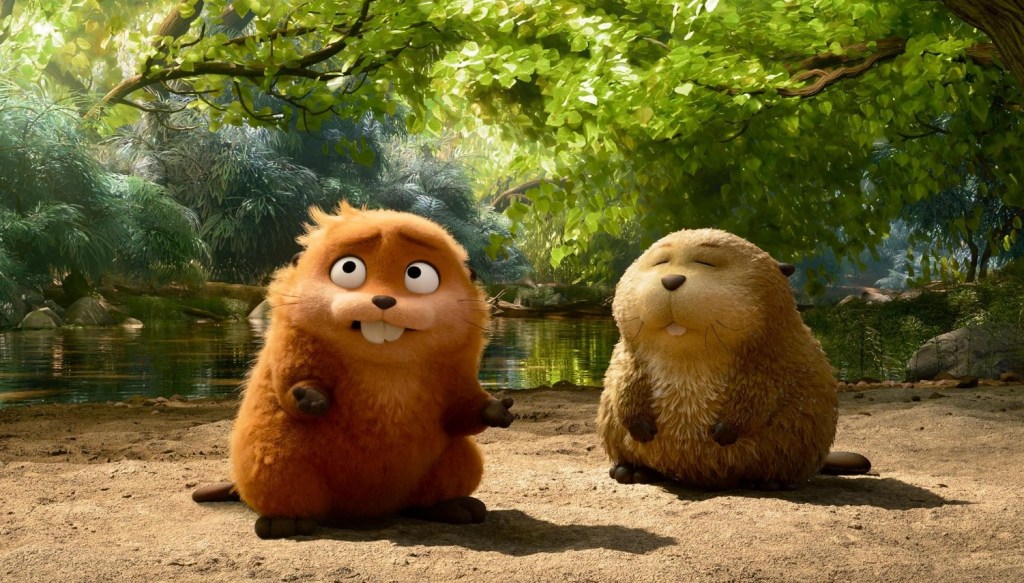
What I appreciated is how the film presents nature as self-sustaining, yet not self-invincible. It does not romanticise it as perfect, nor does it treat it as something for humans to dominate. Instead, it shows nature as something intelligent in its own way, constantly adjusting, responding, and maintaining equilibrium when left undisturbed.
There is a strong underlying idea of balance throughout the story. Not just ecological balance, but emotional and ethical balance too. The protagonist’s journey mirrors this. As she learns more about the animal world, she also begins to understand responsibility in a broader sense. Actions are never isolated. Every decision, even small ones, has a ripple effect across systems that are deeply interconnected.
This reminded me personally of something very familiar from my younger years, especially being part of an environmental team in school. Back then, nature felt very close and very real. Planting trees, cleaning spaces, and learning about ecosystems all carried a sense of purpose that was simple but powerful. There was a natural respect for balance, even if we did not always have the words for it.
Watching Hoppers brought that feeling back in a very quiet way. That sense of being part of something larger, where humans are not the centre of everything, but participants within a wider system that needs care and awareness.
The film does something interesting in how it treats the animal world as both beautiful and functional. It is not just about cuteness or spectacle. It shows instinct, cooperation, survival, and adaptation. There is an unspoken intelligence in how everything exists together. Even conflict feels like part of a larger system trying to restore equilibrium rather than destroy it.

The protagonist’s emotional arc becomes clearer through this lens. Her love for animals is not just affection; it is understanding. And through her grandmother’s influence, that understanding becomes almost instinctive. She learns early that care is not passive. It is active participation in maintaining balance, even when the systems around her feel overwhelming or out of her control.
In the end, Hoppers is not just about entering another world. It is about recognising that we have always been connected to it. The animal world is not separate; it is parallel and constantly interacting with ours in ways we often forget to notice.
What the film leaves behind is a simple but powerful idea. That balance in nature is not something we manage from above. It is something we are part of. And the more aware we are of that, the more responsible our presence becomes.
For me, it felt like a quiet return to an older version of myself. The one who once believed that even small acts of care mattered deeply, and that nature was not just something to admire, but something to protect as a shared responsibility.
And maybe that is what Hoppers does best. It does not teach loudly. It gently reminds.
 lifestylewithsarah.com