
Some stories linger long after the screen goes dark. They leave behind colors, textures, silences, and an elegance that feels almost tangible, like a whisper you can’t quite forget. Netflix’s Can This Love Be Translated is one of those rare stories. Beyond the romance and the emotional discoveries, it’s a study in visual poetry, where fashion, travel, and character identity all come together in a way that feels both luxurious and lived-in.
As someone who has always been fascinated by the language of clothing, I found myself fascinated not just by the story but by how every piece of clothing, every accessory, and every frame tells its own tale. For designers, costume creators, and anyone drawn to aesthetics, there is much to unpack here.

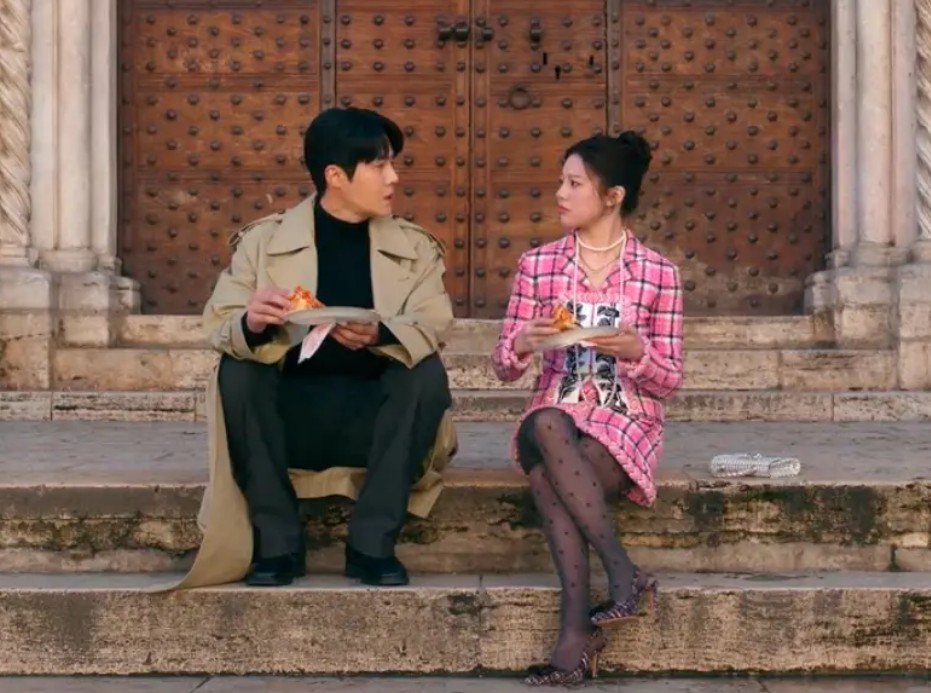
Fashion as Character: Cha Mu‑hee’s Quiet Authority
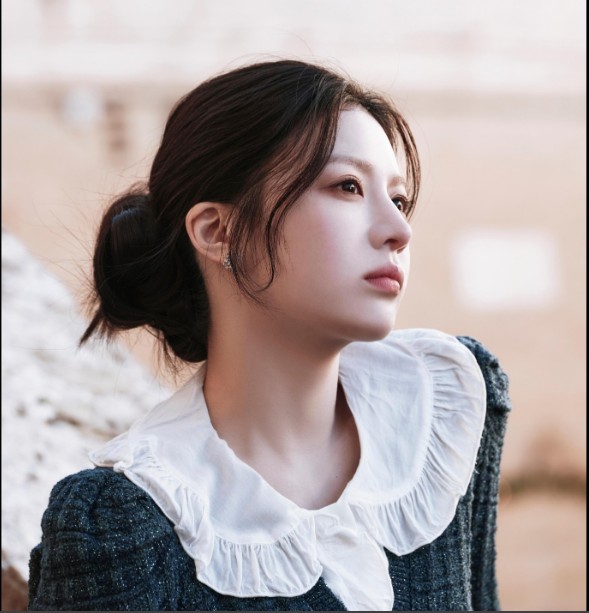
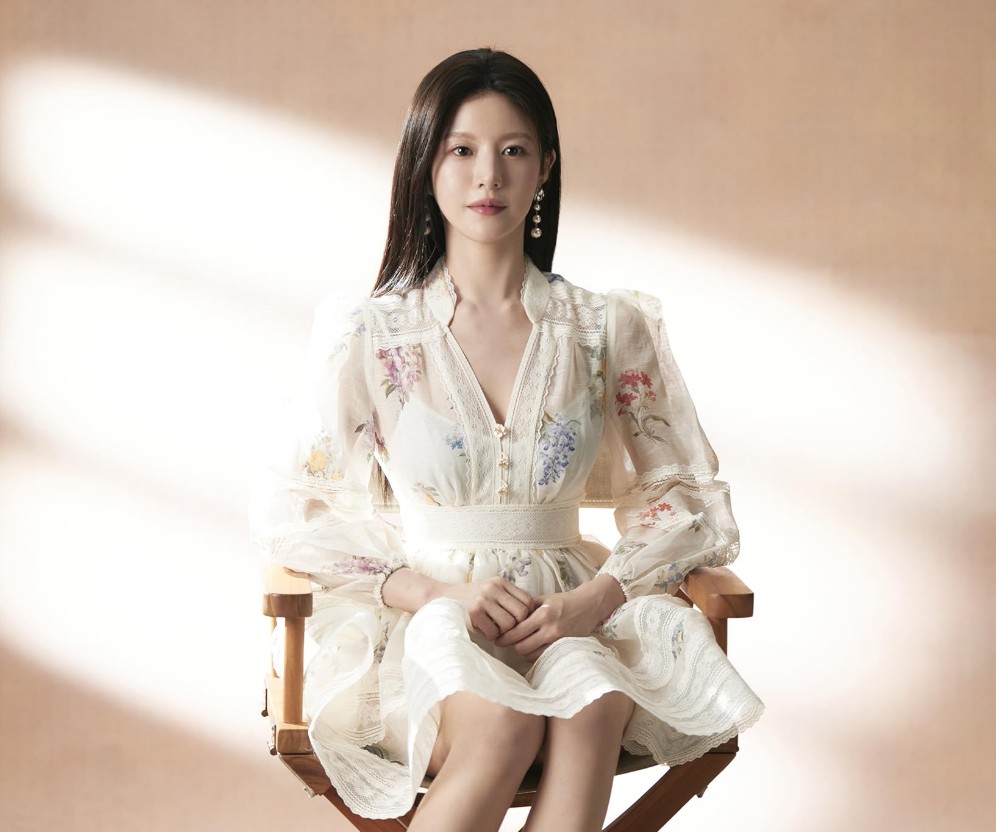
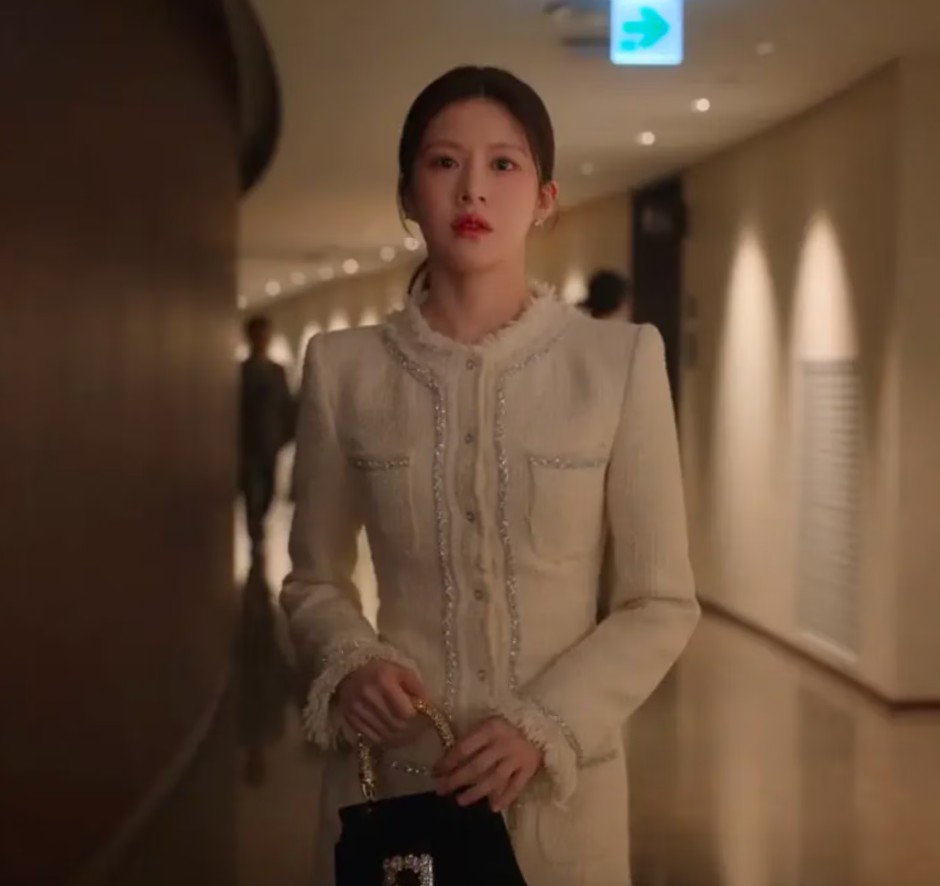
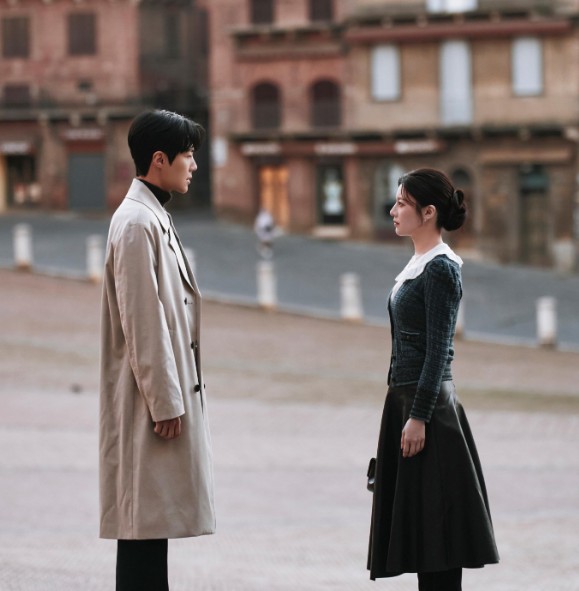
Go Youn-jung’s character, Cha Mu‑hee, wears her story on her sleeve literally. Chanel tweeds, structured blazers, and minimalistic accessories aren’t just luxury; they are storytelling devices. The character’s composure, elegance, and subtle assertiveness are amplified by each garment.
What strikes me most as a creative is how luxury can remain understated. Tweed jackets paired with soft knit tops, leather handbags that punctuate but do not shout, and shoes that carry narrative weight, it’s refined restraint, something designers and artists can truly appreciate.
For those of us working in fashion, design, or creative storytelling, there is a lesson here: the emotional resonance of a garment matters as much as its label. Every silhouette, texture, and hue has the power to translate emotion visually.
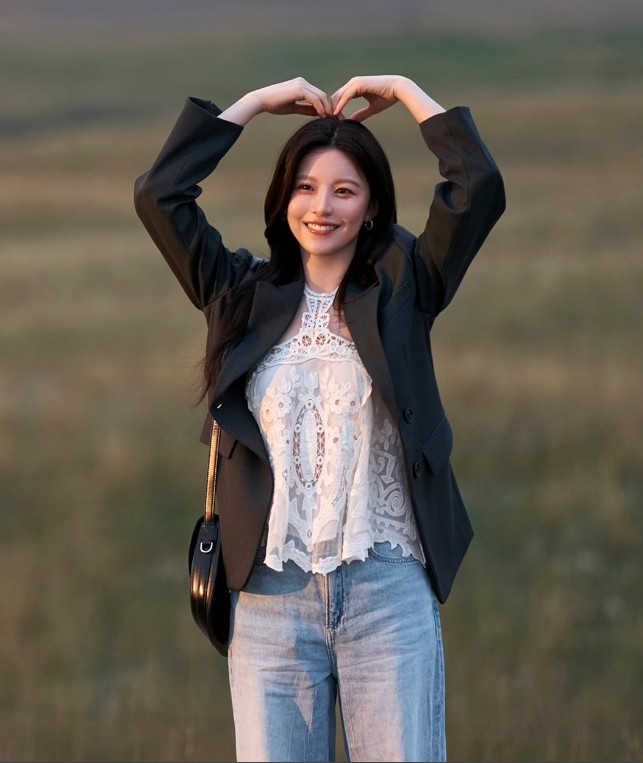

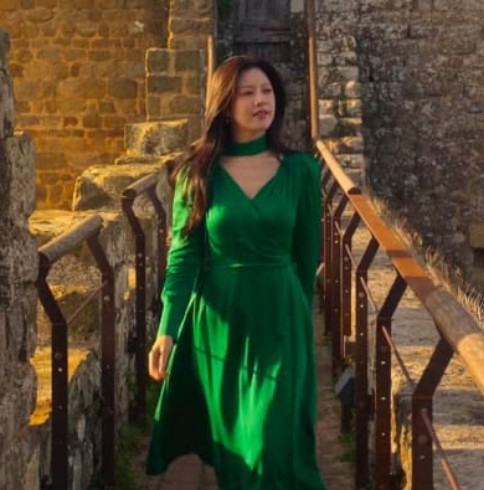
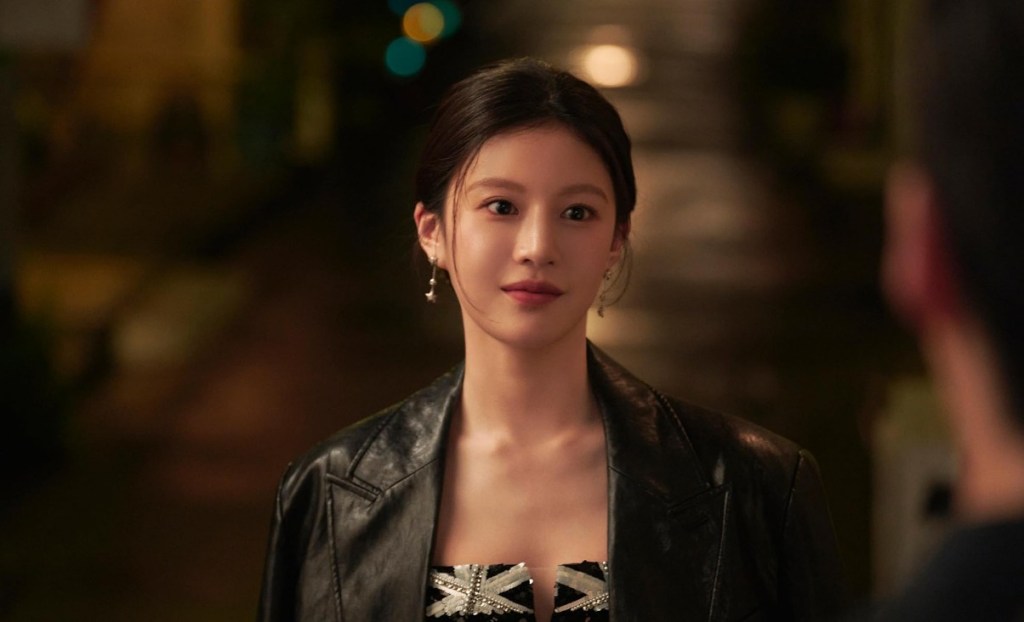
Beauty and Hair: Minimalism That Speaks
The beauty styling is equally compelling. Natural, radiant skin, soft waves, and restrained palettes create a sense of effortless grace. For creatives, this is a reminder that less is often more. The narrative doesn’t need embellishment to convey depth; similarly, your design, costume, or visual piece can convey subtlety with maximum impact.
It’s the harmony between hair, makeup, and wardrobe that gives the character her quiet, cinematic presence. Designers and artistic minds can take this as inspiration: it’s the integration of details that elevates a concept from “nice” to memorable.

Travel as Canvas: Japan, Canada, Italy
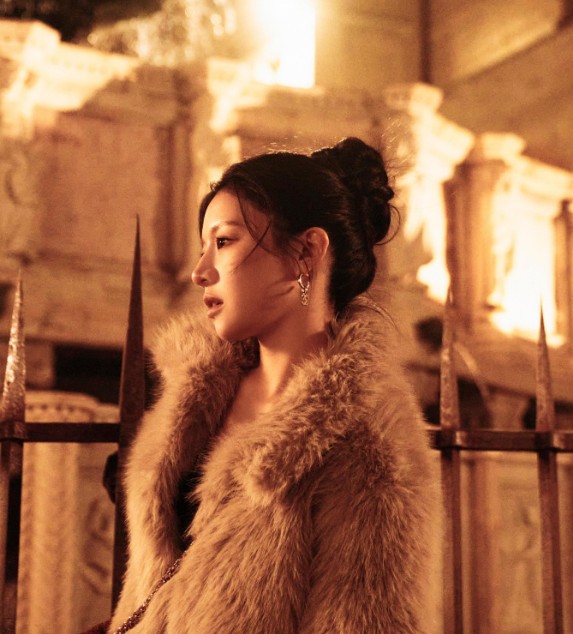
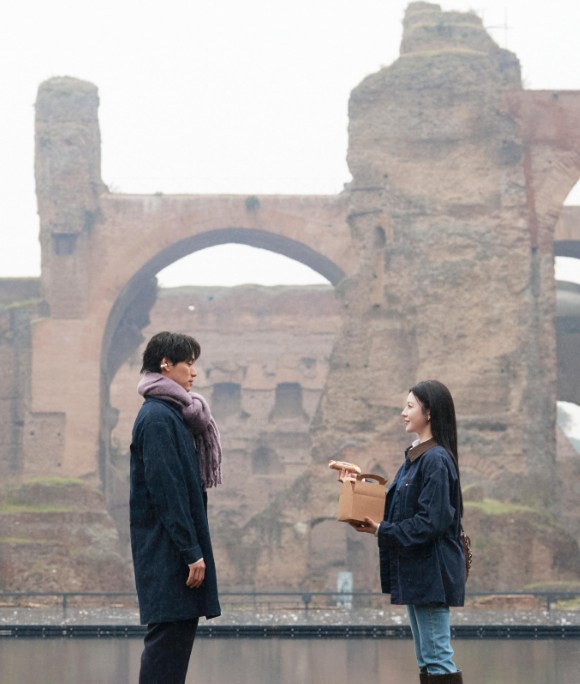
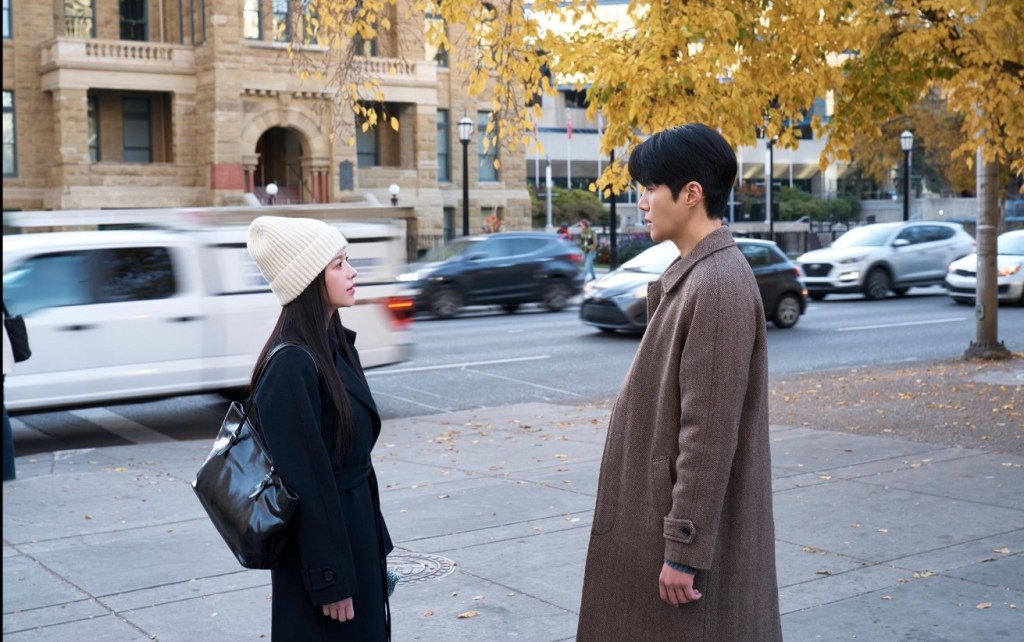
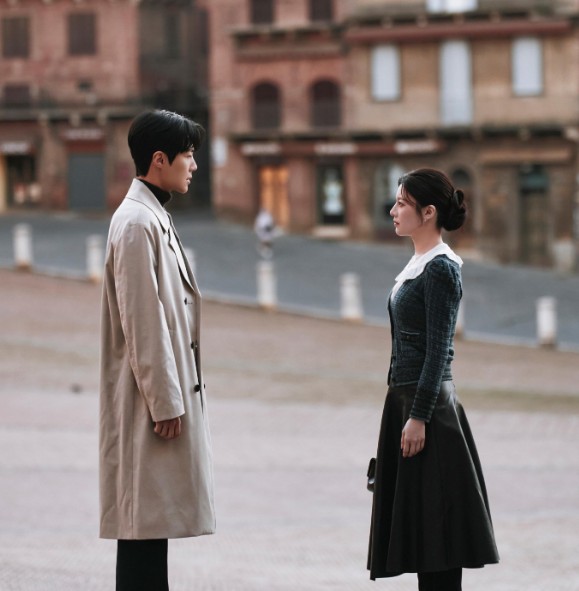
The series spans multiple countries, each with a distinct visual signature. Japan offers meticulous urban energy, Canada delivers reflective calm, and Italy bathes in warmth and historic texture. Fashion here is inseparable from the environment.
For creatives, this is the purest example of contextual design: clothing does not exist in isolation. The surroundings, the lighting, the culture, they all become part of the narrative. In a way, travel becomes a palette, and each outfit a brushstroke.
Imagine designing a wardrobe or a visual concept not just for clothes, but for the mood of a city, the narrative of a season, the psychology of a space. That is what this drama captures so beautifully.
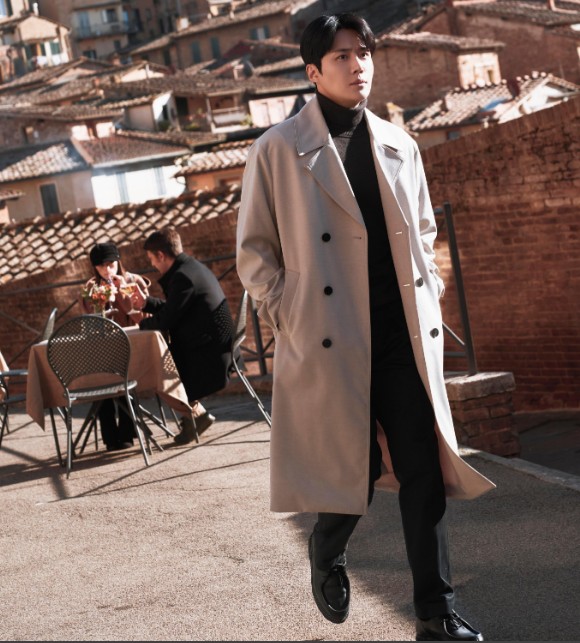
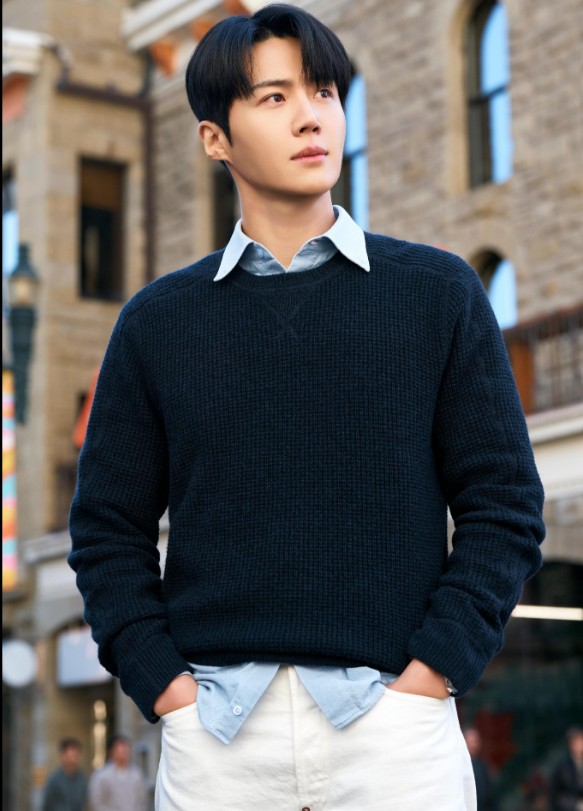
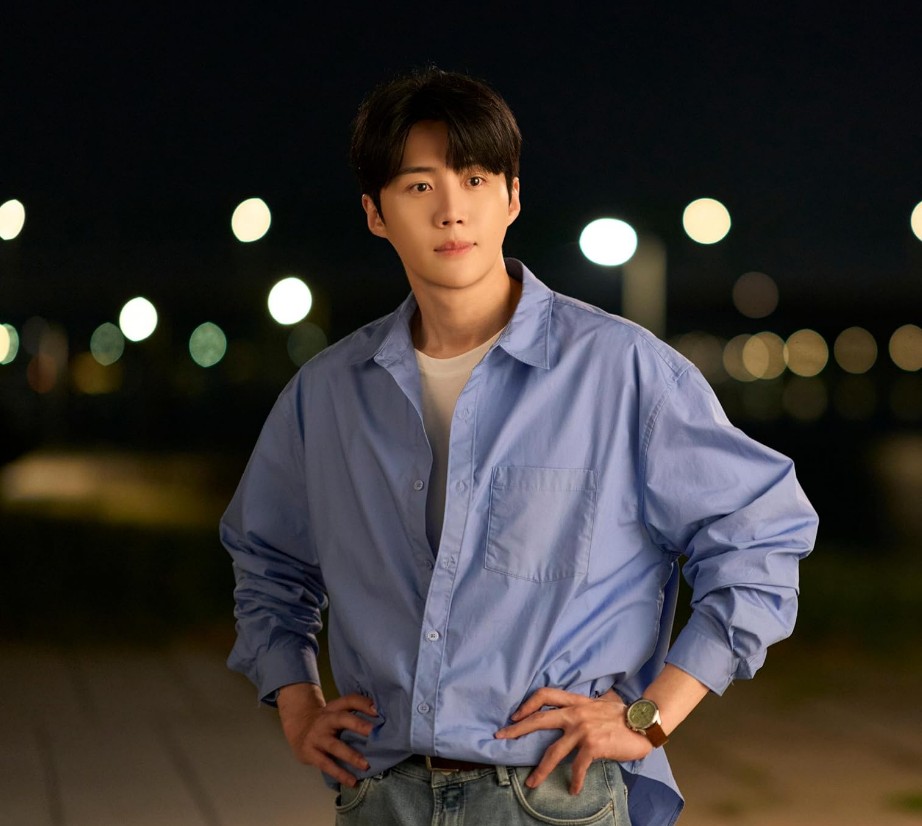

Quiet Luxury and Composed Masculinity
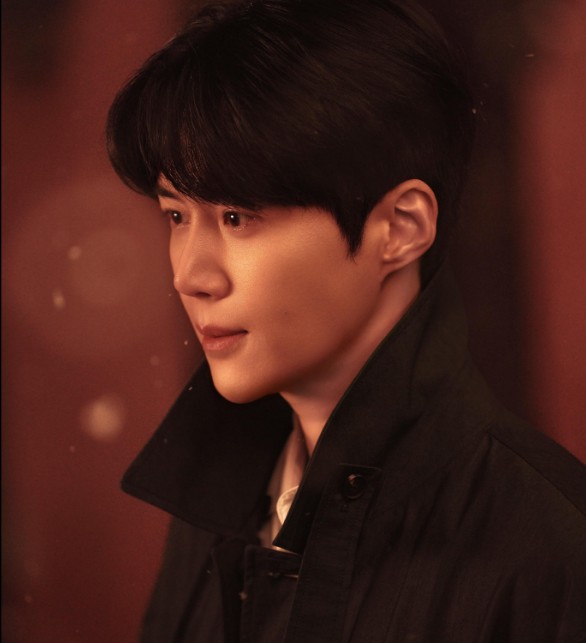
One of the most captivating aspects for creatives is how Joo Ho‑jin’s wardrobe communicates quiet authority and refined composure. Kim Seon‑ho’s character dresses in minimalist, tailored pieces with impeccable proportions, muted color palettes, and textures that convey subtle sophistication. Each blazer, coat, and accessory is chosen with purpose, projecting mature elegance, understated confidence, and effortless refinement. It’s a reminder that style is not just about looking good; it’s about commanding respect, inspiring trust, and telling a story without a single word.
In the end, Can This Love Be Translated is a reminder that fashion is never just about clothes; it is a language. Every fabric, every silhouette, every understated accessory communicates something about who we are, how we move through the world, and the stories we carry with us. From Cha Mu‑hee’s delicate yet commanding ensembles to Joo Ho‑jin’s minimalist, composed elegance, the drama demonstrates that style can embody emotion, intention, and presence.
For creatives, designers, and anyone who sees fashion as an art form, this series offers a quiet lesson: the most lasting impact comes not from flash or excess, but from pieces chosen thoughtfully, worn with intention, and framed within the right context. Travel, light, and environment are your palette, your wardrobe your brush, and your aesthetic your voice.
As we step into 2026, perhaps the greatest inspiration we can take from this series is this: let our choices, both in fashion and in life, speak with subtlety, elegance, and authenticity. Let our creativity tell stories worth remembering, and let every garment, every look, every space we inhabit carry a whisper of who we truly are.
 lifestylewithsarah.com