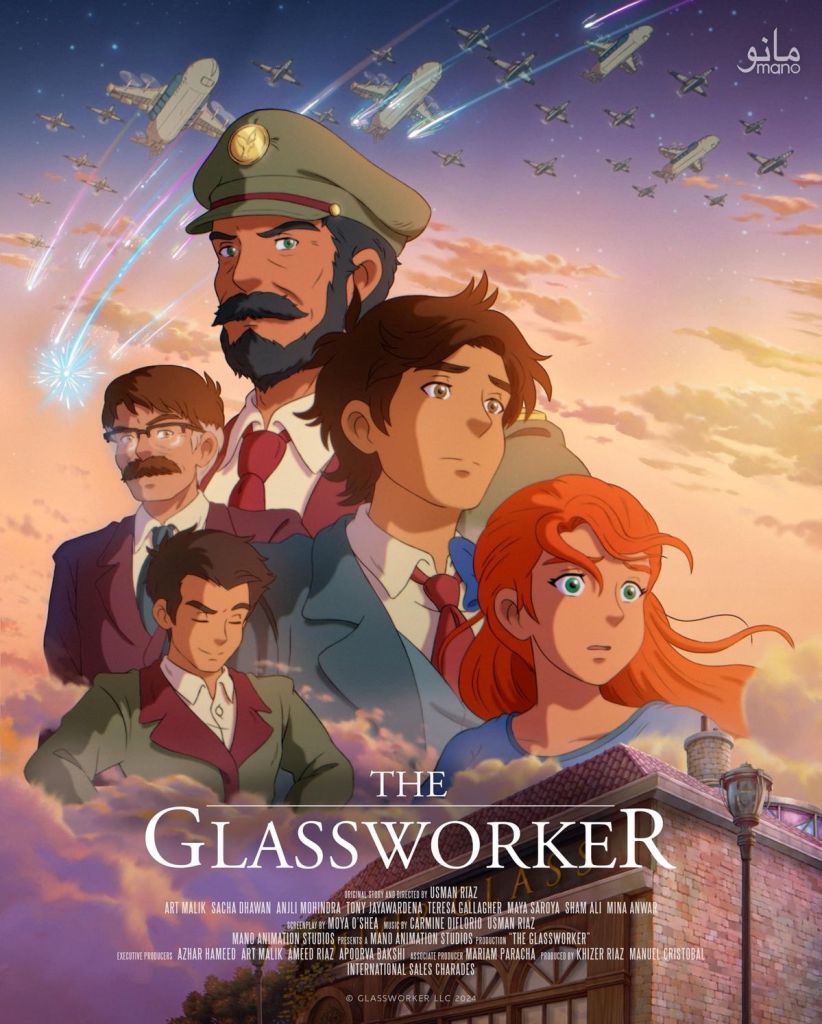
There are films that you watch, and then there are films that stay with you long after the screen goes dark. The Glassworker is one of those rare treasures. From its breathtaking hand-drawn animation to its tender, heart-wrenching story, this Pakistani masterpiece transports you into a world where every frame feels alive, every emotion is felt deeply, and every detail from the delicate swirl of molten glass to the sweetness of Gulab Jamun breathes authenticity and magic. If you’ve ever been captivated by the quiet charm of a Studio Ghibli film, prepare to fall in love all over again, this time with a story that is uniquely Pakistani, yet universally enchanting.
There’s a rare kind of magic in cinema that makes you pause, breathe, and let yourself be carried into another world. That’s exactly what The Glassworker, Pakistan’s first hand-drawn animated feature film directed by Usman Riaz, does. From the very first frame, I was captivated by its beauty, calmness, and gentle charm. Watching it felt incredibly nostalgic and soothing, much like settling in for a Studio Ghibli film. Every frame seems to hum with life, and every moment is crafted with such care that it becomes impossible not to be drawn in.
The story is set in the fictional town of Waterfront, a world that blends the richness of Pakistani culture with subtle hints of British colonial influence. The architecture, the streets, and even the everyday routines carry this timeless quality, a layering of culture that feels both familiar and extraordinary. As the film transitions from pre-war serenity to the hardships of post-war life, the emotional resonance is immediate. It made me reflect on how history shapes us and how ordinary lives are tested by forces beyond our control.

One of the sequences that left me completely mesmerized was the glassblowing scenes. Watching Vincent meticulously craft delicate glass pieces, seeing the furnace glow, and witnessing the careful shaping of molten glass, I felt a quiet awe. The animation captured not just the technical precision but the soul of the craft. These moments of creation felt meditative, almost like a visual lullaby. Coupled with the soundtrack, which is nothing short of perfect, each note swelling at just the right time to complement every scene, it became an immersive experience. During the battle sequences, I was gripped by the realism; explosions, injuries, and chaos felt intensely alive without ever feeling gratuitous.
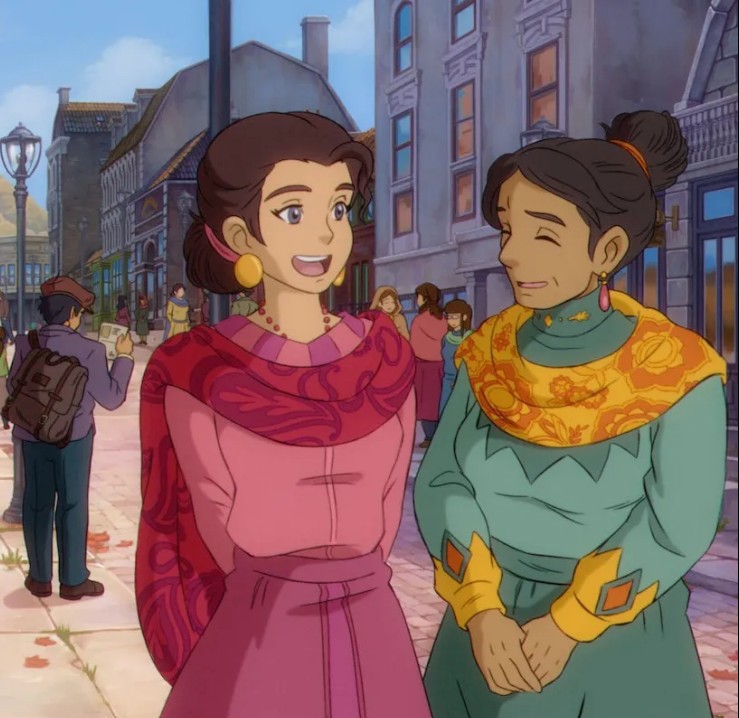
The attention to cultural detail throughout the film is breathtaking. From the vibrant traditional clothing to the food, lifestyle, and markets, every element feels thoughtfully rendered. Scenes featuring Gulab Jamun made me smile and pause, marveling at how something as simple as a dessert could feel like a warm, cultural embrace. It’s these details that ground the story, making it resonate far beyond the screen.

At the heart of the story are themes of love, friendship, and the struggle to find one’s place in the world. Vincent and Aliz captivated me completely. Their bond is delicate, tender, and real, filled with moments that made me hold my breath and moments that made me smile quietly to myself. The subtle love triangle involving Malik is handled with such nuance that every choice feels grounded and believable. Vincent’s loneliness and vulnerability, his search for connection and meaning, are portrayed with a depth that left me reflecting long after the scenes ended.

The mystical element of Djinn adds another layer of richness. Vincent’s exploration of these supernatural beings is intertwined with his most vulnerable moments, lending a magical tension to his journey. It hints at the ways loneliness, longing, and desperation can push someone toward forces they don’t fully understand. Yet even through these darker, more intense sequences, the film never loses its tender, contemplative rhythm.
And then there’s Vincent’s relationship with his father, Oliver, which I found incredibly moving. It’s a quiet, understated bond full of lessons in trust, patience, and love. Watching their interactions, I felt the weight of family, responsibility, and guidance, all portrayed without melodrama, yet strikingly real. Combined with the portrayal of the effects of war on personal relationships, the film becomes not just a story but a meditation on humanity, resilience, and the bonds that hold us together.

The Glassworker is not just a film; it is an experience that lingers. It is a celebration of Pakistani artistry, storytelling, and cultural richness. Every frame invites you to slow down, to look closely, and to feel deeply. Watching it, I felt nostalgia, wonder, and a quiet reverence for the dedication poured into every scene.
It’s a cinematic journey where emotion and artistry meet seamlessly, and where every scene is a reminder of the enduring power of love, friendship, and resilience.
If you haven’t yet seen The Glassworker, I can’t recommend it enough. It’s a film to watch slowly, to savor, and to cherish a story that will stay with you long after the credits roll.
 lifestylewithsarah.com