When people hear the term modest fashion, they often think of a narrow, one-dimensional look, but the reality is far from that. Modest fashion is incredibly diverse, with distinct styles emerging from various cultures and backgrounds. Across the world, women are embracing modesty in fashion in unique ways, and they are challenging stereotypes while creating their statements. From the vibrant abayas of the Middle East to the minimalist layers of East Asia, modest fashion is a dynamic and evolving space.
In this post, we’ll explore how modest fashion is breaking stereotypes and highlighting the diversity of women’s fashion across the globe. Whether it’s through fashion weeks in Dubai and Abu Dhabi, or the rise of modest fashion in the Western world, women of color and women from various cultures are making their mark on the fashion industry.
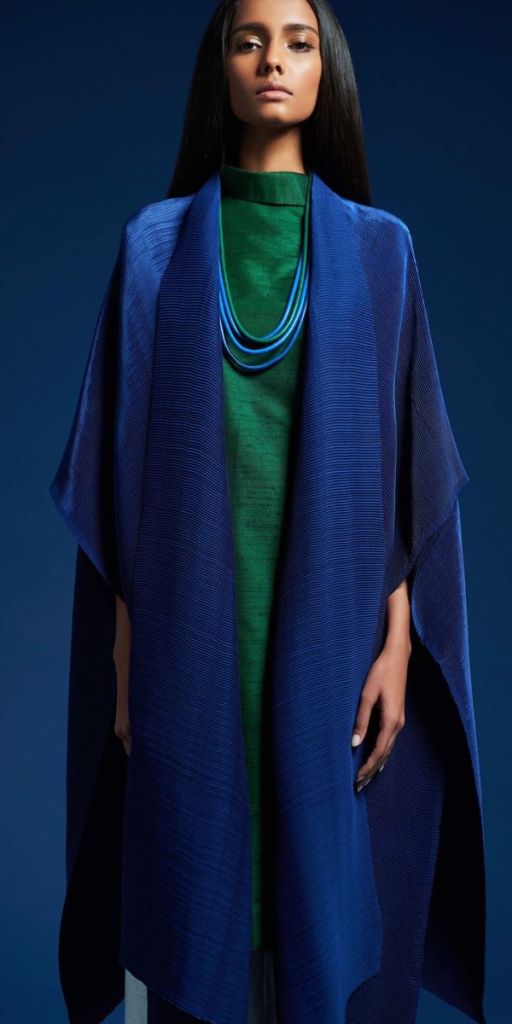
Modest Fashion: A Global Movement
Modest fashion is no longer a niche category—it’s becoming a global movement. Modesty in fashion can look different depending on the wearer’s cultural or religious background. While many associate modest fashion with a specific dress code dictated by religion, it’s important to note that modest fashion is personal. For some, it’s about finding the perfect balance of coverage and comfort; for others, it’s about expressing their identity through fashion.
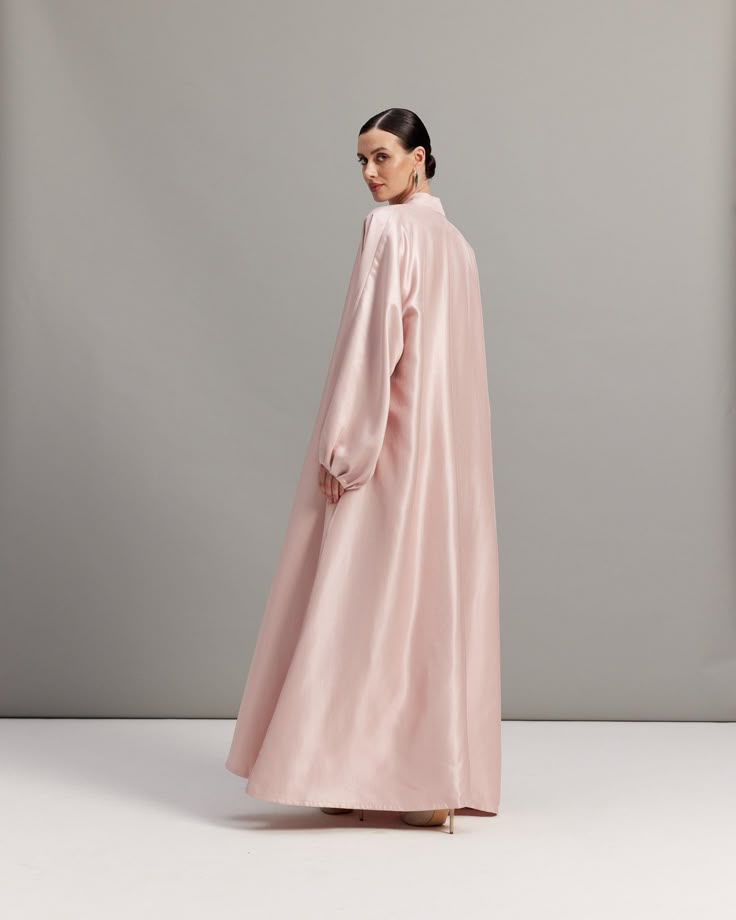
The Middle East: Modest Fashion with Timeless Elegance
In cities like Dubai and Abu Dhabi, modest fashion is part of everyday life. The abaya, a traditional black cloak, has been given new life by contemporary designers, with luxurious fabrics, bold embroidery, and innovative cuts. During Dubai Fashion Week and Abu Dhabi Fashion Week, designers push the boundaries of modest fashion, incorporating high-fashion trends while staying true to modest principles.
Women in the Middle East, many of whom are women of color, have influenced the global fashion conversation by incorporating modern details into traditional clothing. These changes showcase the growing diversity in fashion, where cultures and identities blend seamlessly.
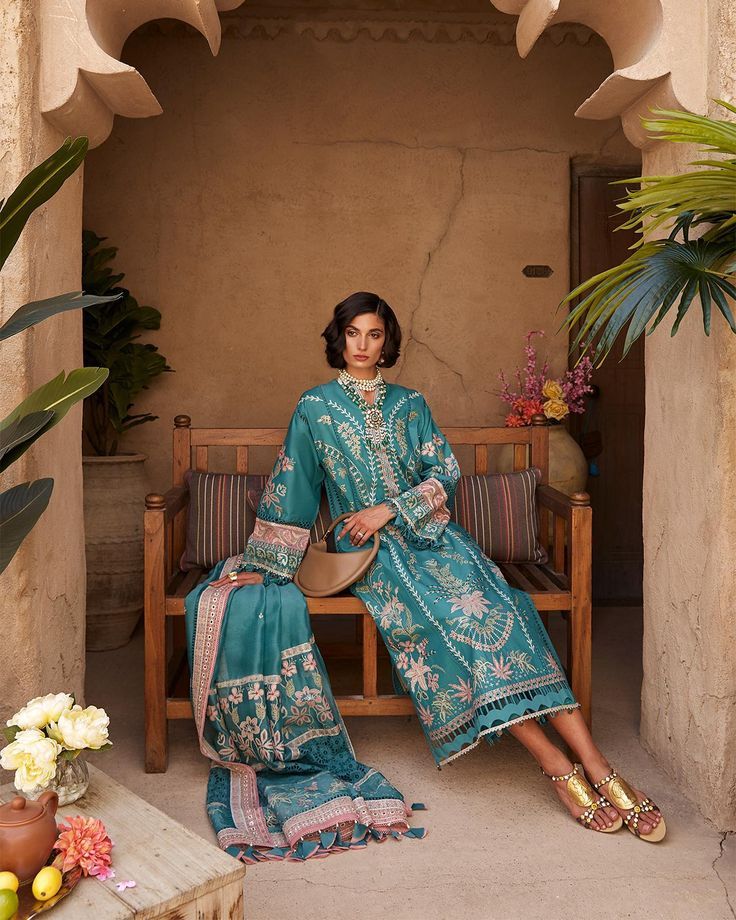
South Asia: Modesty Meets Vibrant Tradition
In South Asia, modest fashion blends vibrant colors, intricate textiles, and timeless designs. Sarees, shalwar kameez, and anarkali dresses are iconic pieces that represent the fusion of modesty and cultural heritage. These garments are both elegant and practical, designed to highlight the richness of the wearer’s culture.
Modern South Asian designers are reimagining traditional clothing with contemporary cuts and sustainable fabrics, making modest fashion more accessible to a new generation. Women of color, in particular, are helping redefine modest fashion, proving that style and modesty can coexist beautifully.

East Asia: Minimalism and Tradition Combined
Modest fashion in East Asia often emphasizes minimalist silhouettes with a strong emphasis on tradition. The hanbok in Korea and the kimono in Japan are beautiful examples of how modesty can be expressed in fashion without compromising style. These traditional garments have inspired modern collections that emphasize modesty in a chic and structured way.
In recent years, East Asian influencers have begun to combine modest dressing with contemporary style, incorporating oversized jackets, wide-leg trousers, and layered pieces. The result is a stunning mixture of modest fashion that caters to the global movement of embracing diverse styles.

Africa: Bold Prints and Regal Drapes in Modesty
In many parts of Africa, modest fashion is celebrated through garments such as the boubou, djellaba, and kitenge—each representing a unique combination of modesty and cultural pride. African women, particularly those of color, often wear clothing that is both covered and regal, highlighting rich patterns, beadwork, and vibrant fabrics.
Modest fashion in Africa is growing, with designers showcasing African prints and styles on global platforms. Fashion weeks in Africa have become a place for breaking stereotypes and celebrating diversity, giving African women an opportunity to share their stories through fashion.
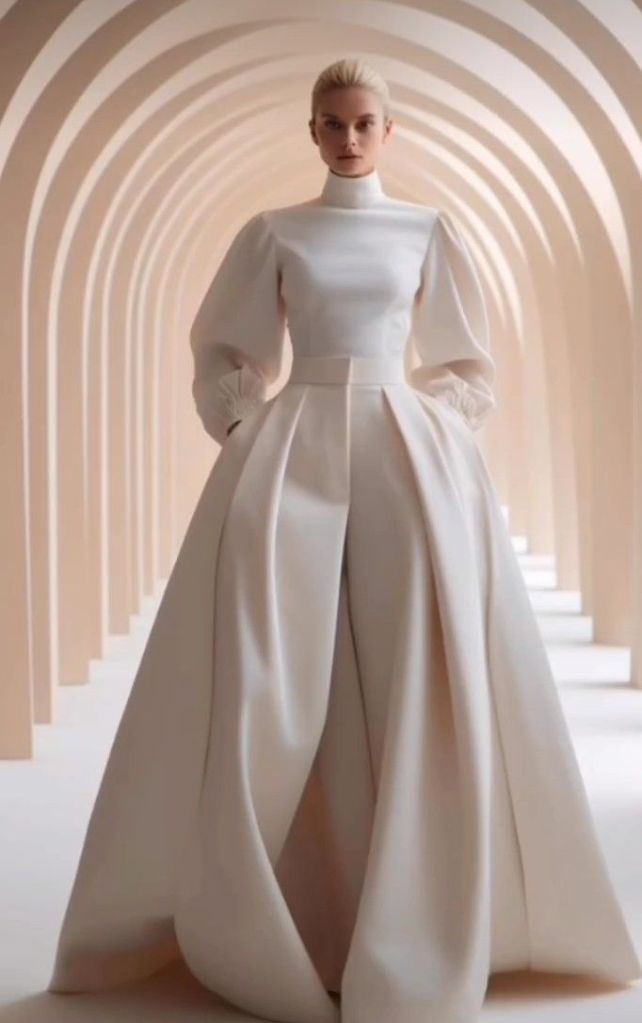
The West: Embracing Modesty with Style
Modest fashion is also gaining traction in Western countries, where more women are opting for covered looks without sacrificing style. In countries like the U.S., the UK, and France, modest fashion is being embraced by women from diverse backgrounds, including women of color, who are redefining what it means to dress modestly while staying on-trend.
Western designers are also catching on, incorporating modest clothing into their collections. High-neck dresses, long sleeves, and skirts are becoming staples on runways across the West, making modest fashion more inclusive and diverse than ever before.
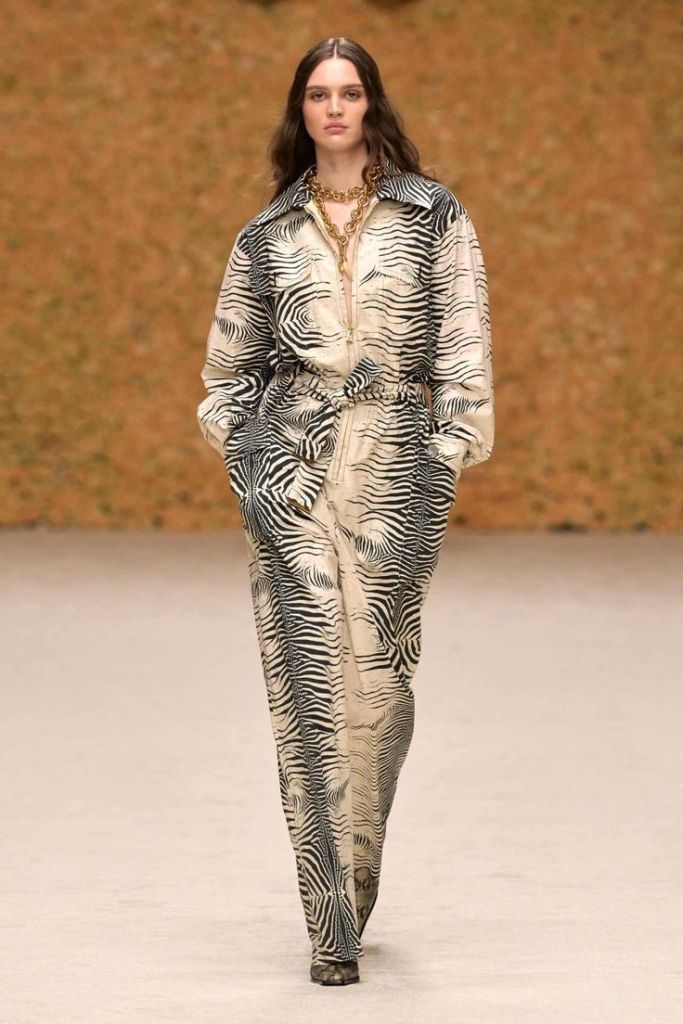
Why Modest Fashion Is Breaking Stereotypes
The global rise of modest fashion challenges outdated perceptions that modesty is inherently restrictive or outdated. Today, modest fashion represents a broader cultural shift toward inclusivity and diversity in fashion. Women around the world, from various cultures and backgrounds, are proving that style can be modest, sustainable, and forward-thinking.
Fashion events such as Dubai Fashion Week and Abu Dhabi Fashion Week are prime examples of how modest fashion is changing the narrative. These events showcase designers who use modest clothing as a platform for cultural expression, bringing diverse voices to the forefront of the global fashion industry.

Modest Fashion: A Style Movement with Staying Power
The diversity of modest fashion is a testament to the global demand for more inclusive, stylish, and sustainable options. As women of color, designers, and influencers continue to break barriers, modest fashion will undoubtedly become more widespread and accepted across cultures and industries.
Whether it’s through bold prints, luxurious fabrics, or innovative cuts, modest fashion is a celebration of identity, culture, and self-expression. It’s time to break stereotypes and embrace a global, diverse approach to fashion—because modesty never goes out of style.
 lifestylewithsarah.com